
- Both Mutitu and Mumoni are critical strongholds for the Hinde’s Babbler, a rare bird found only in Kenya. Currently, the IUCN Red List classifies the bird as Near Threatened, occurring in fragmented populations across Meru, Embu, Nyeri, Murang’a, Kiambu, Nairobi, Machakos, and Kitui counties.
Many travellers often dismiss dryland areas as vast, sun-scorched stretches of scrub and hilly rocks, places they merely pass through on the way to lusher destinations. But beneath the simmering heat and dust of these regions lie little-known pockets of life that host rare species, some found nowhere else on Earth.
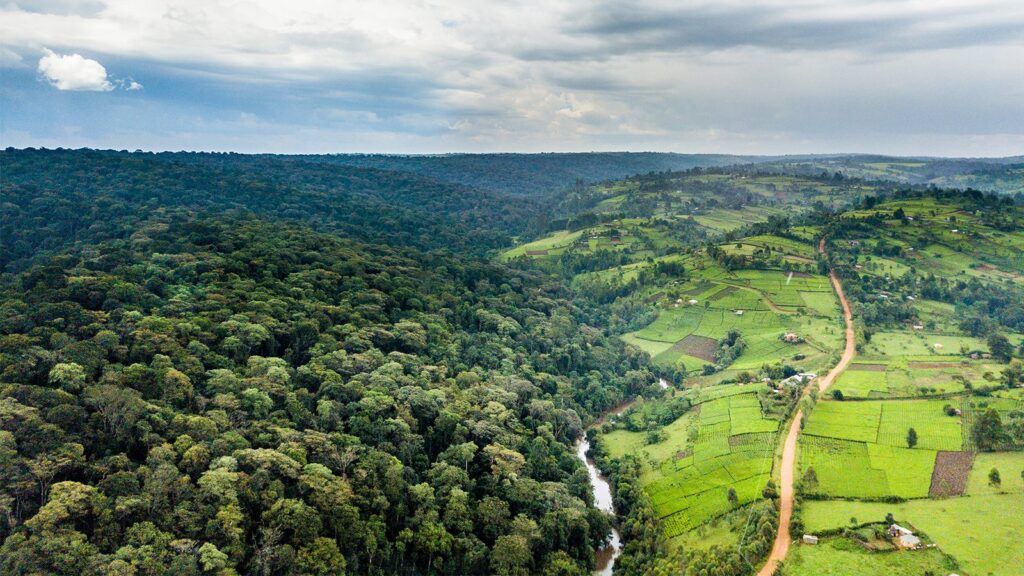
Dryland forests like Mutitu and Mumoni are islands of biodiversity that remain largely unvisited. Though tucked away from the main tourism circuits, these Key Biodiversity Areas (KBAs) are being put on the map by local conservationists who monitor their rare inhabitants and champion their protection.
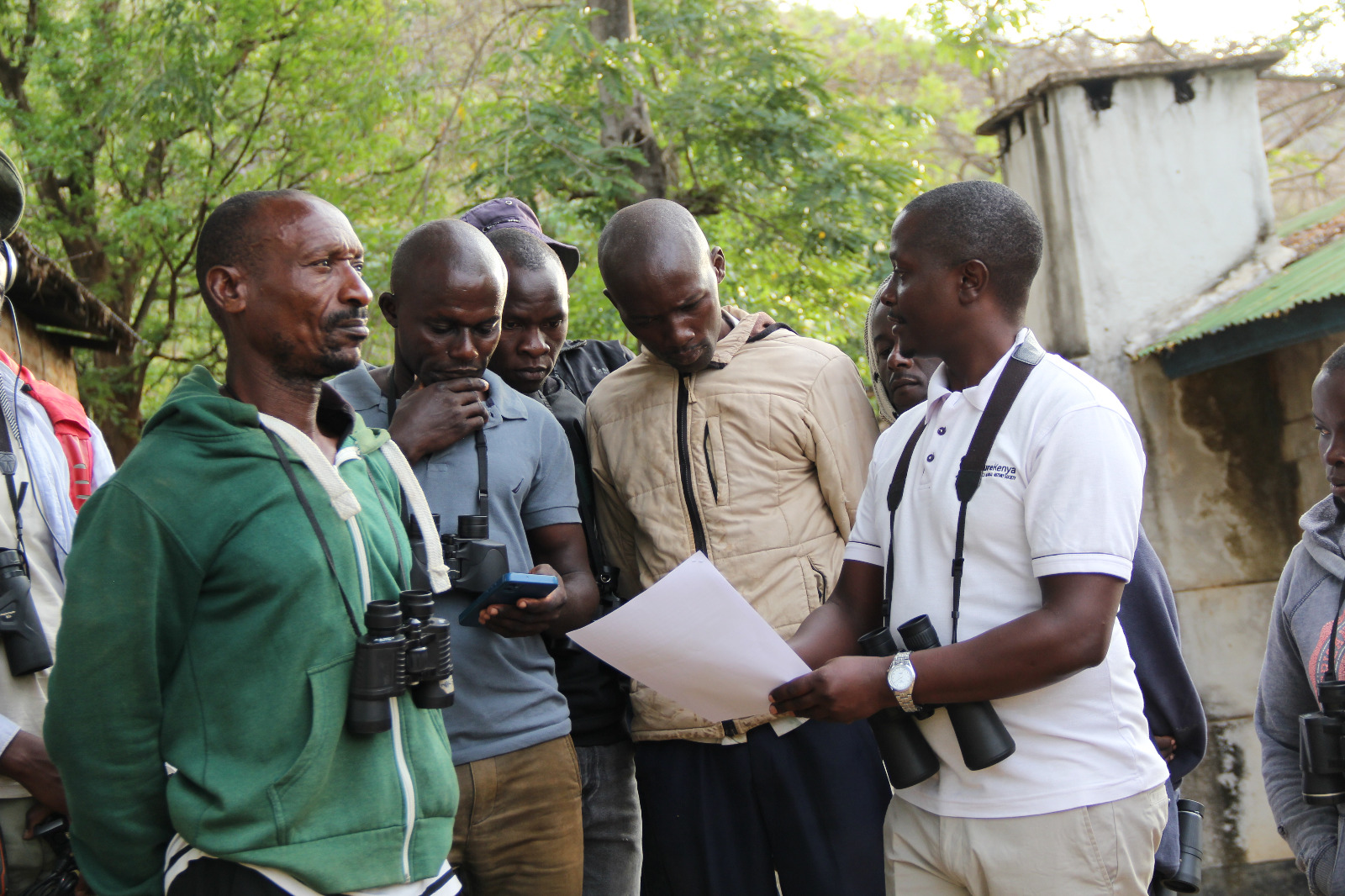
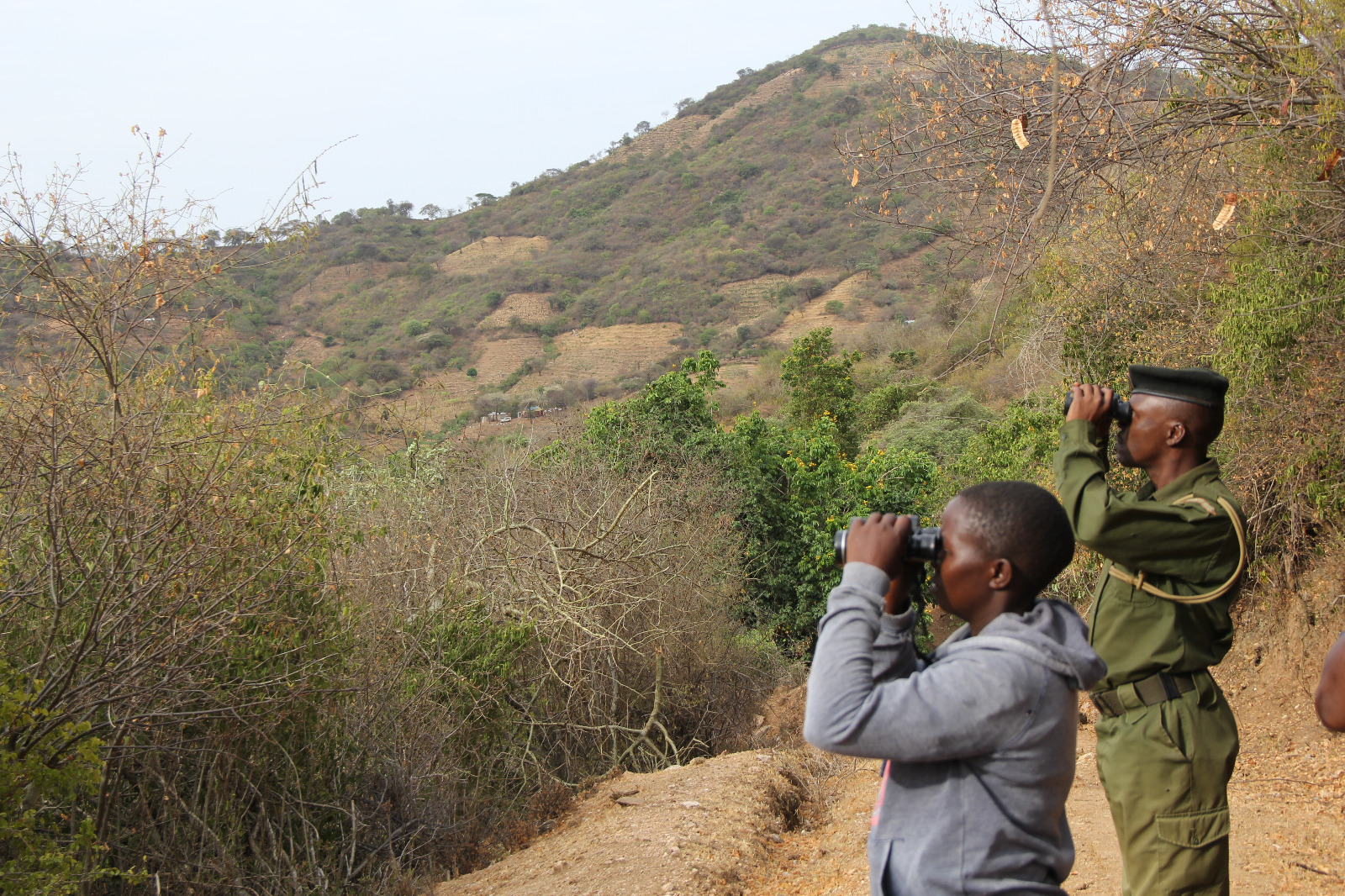
Once a month, these groups, known as Site Support Groups (SSGs), gather for a monitoring exercise. They record every bird species within the forest, documenting exactly where and when they appear.
Read More
Both Mutitu and Mumoni are critical strongholds for the Hinde’s Babbler, a rare bird found only in Kenya. Currently, the IUCN Red List classifies the bird as Near Threatened, occurring in fragmented populations across Meru, Embu, Nyeri, Murang’a, Kiambu, Nairobi, Machakos, and Kitui counties.
By tracking these birds, communities contribute to the health of the entire ecosystem.
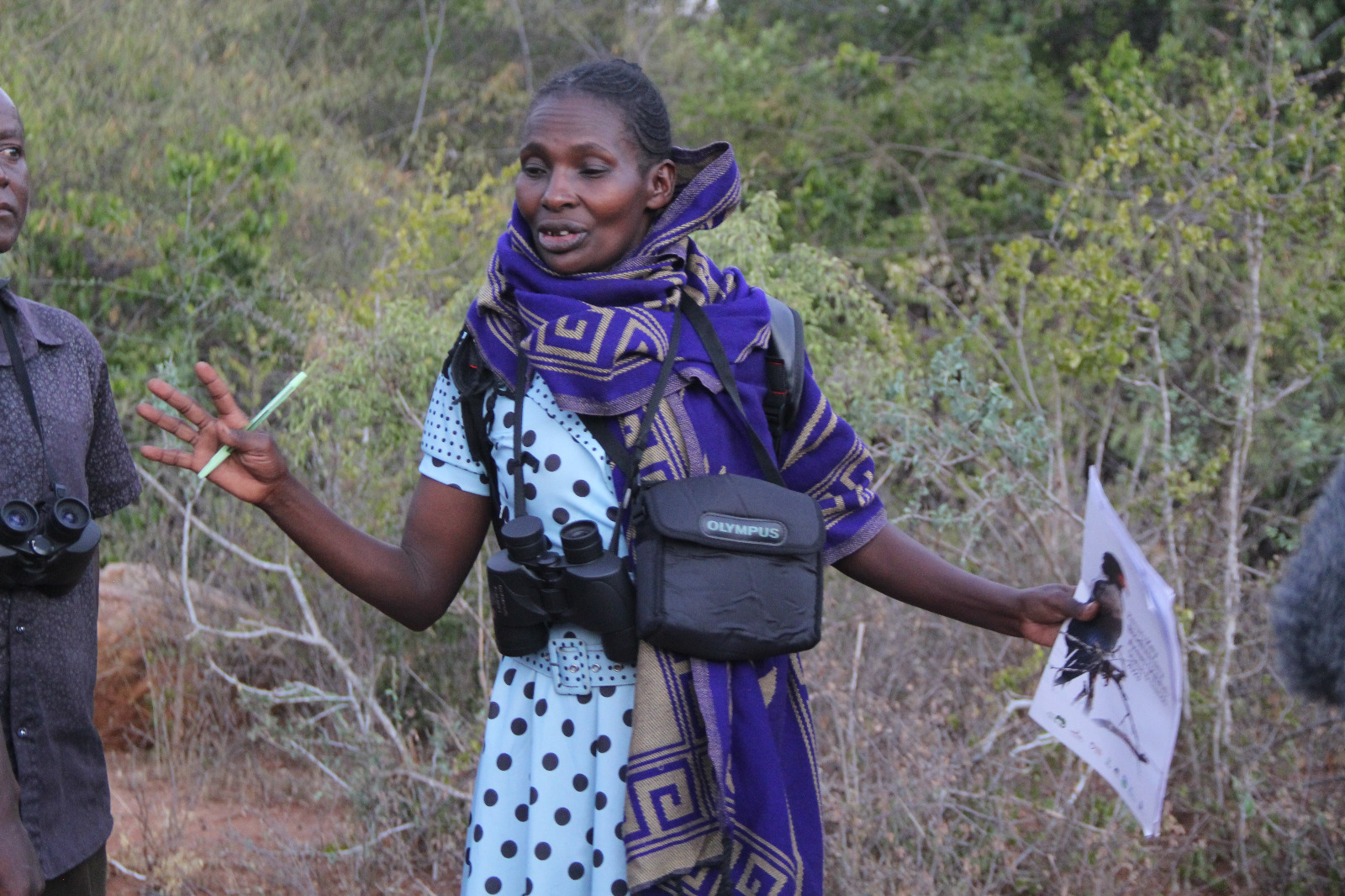
"We monitor the occurrence of different species every month and submit the data to Nature Kenya, where it is compiled into a national database," explains Jennifer Kakunia, chairperson of the Mutitu SSG.
Birds are indicators of environmental health. When they disappear, it signals environmental distress that requires urgent measures.
"As a community, we are learning about our environment through birds. Monitoring requires dedication because we start at 5:30 AM. We know the pockets where almost every species lives; when they go missing, we know something is wrong," Kakunia says.
The initiative, part of the Darwin Initiative and implemented by Nature Kenya, has equipped the communities with the skills to map their surroundings while giving them the power to brand these sites as eco-tourism destinations.
“Mumoni has high tourism potential,” says Timothy Kilonzi, a community scout and member of Mumoni SSG. “We have hosted international tourists who travel here specifically to see the Hinde’s Babbler. With the skills we have gained, we are not only monitoring biodiversity, but we are also offering professional guides.”
However, the Hinde’s Babbler faces a major threat. Much of its preferred territory, such as thickets and forests, sits on private farmlands outside protected reserves. To counter this, the SSGs work closely with both Nature Kenya and the National Museums of Kenya to map these territories and observe any disturbances.
While the work involves sophisticated data logging, the locals have mastered the art of citizen science. The data they provide is used to inform national and global conservation strategies. It is used by professional scientists to track global environmental trends.
Richard Kipng’eno, a birding expert, says the communities have been trained to identify the birds, use technologies like binoculars, and correctly record the sightings on official birding sheets.
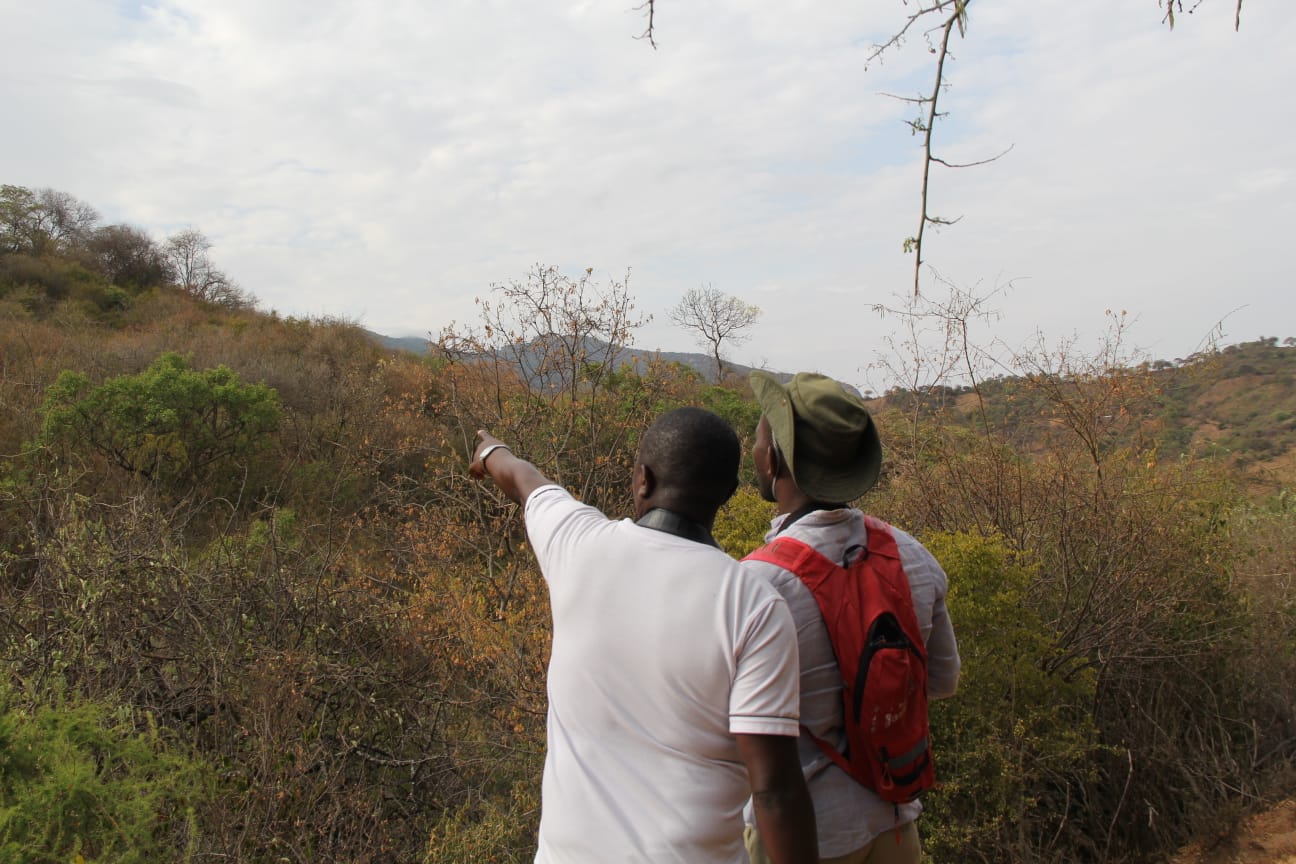
“While the local communities know the birds that appear in their localities by their local names, they also have to be able to identify and name them in the common English names that are widely used. These communities are the champions of citizen science on the ground,” Kipng’eno says.
James Mutunga, the officer in charge of the project, says that communities are the bridge between complex science and what actually happens on the ground.
“Community involvement is key. They are the eyes and ears on the ground, and their information is what inspires and changes policies,” Mutunga says.
To combat environmental pressures, Nature Kenya Director Dr. Paul Matiku explains that the project goes beyond biodiversity monitoring to address the root causes of habitat destruction, namely habitat loss and climate change.
“Given the impacts of climate change, we had to introduce environmentally friendly livelihoods,” Dr. Matiku notes.
“Communities are now undertaking modern beekeeping, which provides income without clearing trees. To reduce demand for firewood, the communities have also been supplied with energy-saving jikos. As part of boosting production, we also introduced the adoption of drought-resilient crops like green grams,” Dr. Matiku adds.
“Crops like maize no longer do well because of prolonged dry seasons,” Kakunia explains. “Adopting green grams, which require very little rain, has transformed production. The yield is good; we can sell it to buy the supplies we can no longer farm.”
Beyond deterring illegal loggers, the monitoring teams have sparked a generational shift through school outreach and public rallies.
“They supplement our surveillance and serve as our first responders during fire outbreaks,” says Mumoni Forest Station Manager Mwangangi Kimanzi.
This ritual, he says, is now fueling a generational shift where the communities, including learners, understand more about their environment
At a glance:
- Mutitu and Mumoni forests were designated as Key Biodiversity Areas in 2016 due to their unique, threatened species.
- Bird population trends serve as the primary baseline for measuring the success of forest restoration and climate resilience efforts in Kenya’s drylands.
Follow us on WhatsApp for community voices, and stories that matter
-1785307406.jpeg)


-1784287755.jpg)