
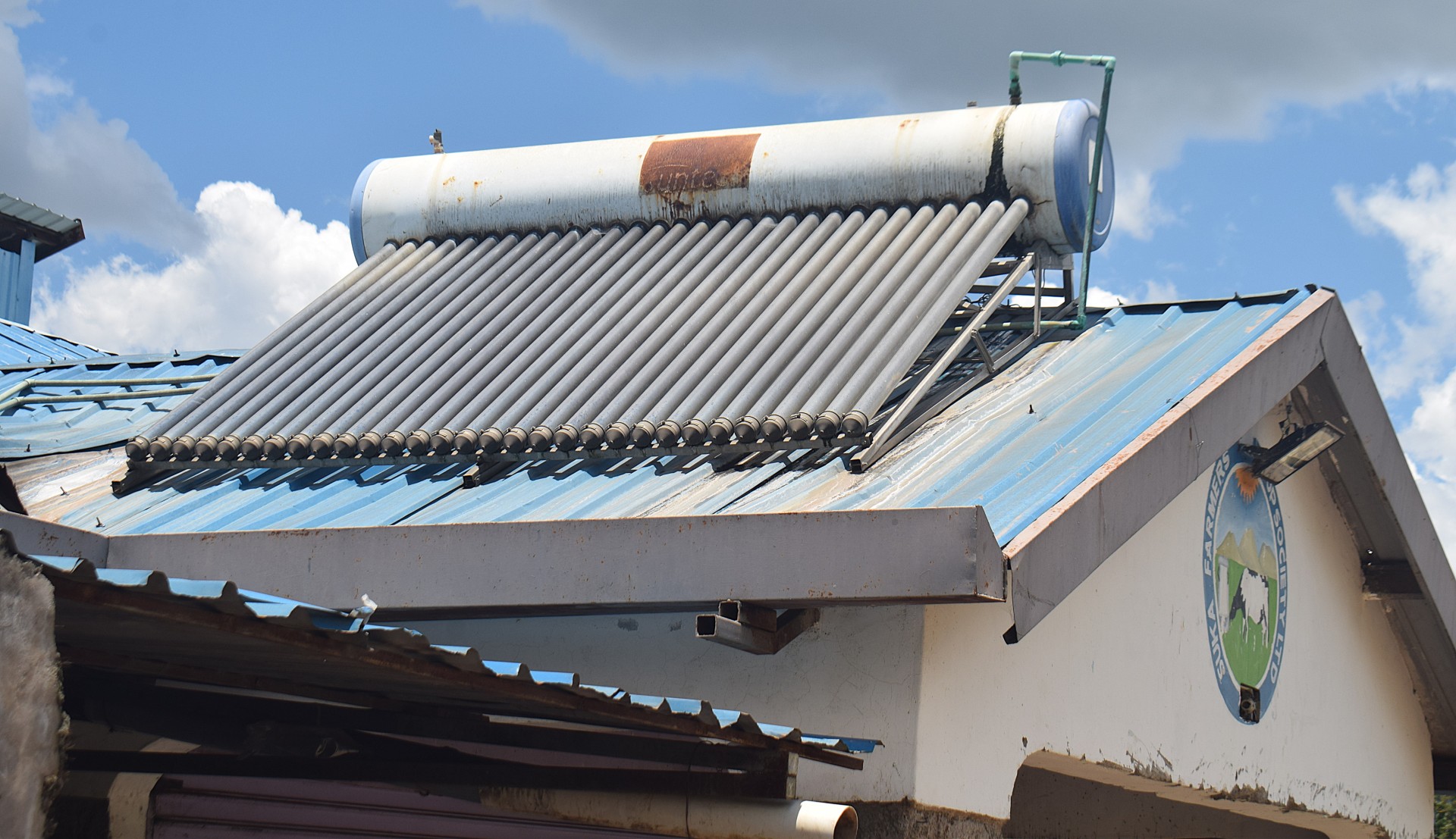
- Adoption of solar power in the manufacturing industry is the most reliable way of cutting energy costs. Hydroelectric power remains unreliable and continues to be expensive, making it less predictable for businesses.
Before the break of dawn in the hills of Subukia Sub-County in Nakuru County, Kenya, resilient and quiet movements begin, weathering the biting morning cold. Farmers emerge from their homes at the same time as school-going children to deliver their milk to SUKA Farmers’ Cooperative Society.
Joseph Gakuhi, 56, a father of four, has been delivering milk to SUKA for several years. As he braves the cold with a Maasai shuka over his shoulders, he says this is his full-time job, just like those who work in offices.
“I am used to waking up at 4:30 a.m.—that is when my day begins. I milk the cows as I prepare my children to go to school,” he says, shivering with a smile.
Gakuhi owns four Friesian cows that give him 50 liters, which he delivers to SUKA Farmers’ Cooperative Society. He says the proceeds from milk sales have helped him educate his children and make developments around his homestead.
Dr. Edwin Mutai, the manager of SUKA Farmers’ Cooperative Society, says the cooperative was started in 2008 and is owned by small-scale farmers around Subukia Sub-County, although recently membership has expanded to include farmers from as far as Nyandarua.
Read More
“Currently we have 1,830 fully registered members, and we expect it to grow even bigger,” he says.
Dr. Mutai explains that in total the cooperative receives 7,500 liters of milk from farmers, which they convert into value-added products including cheese, yoghurt, and pasteurized milk. With this level of processing, affordable and reliable power supply is necessary, which is why the society invested in solar energy to lower production costs.
“The national government helped us install 84 solar panels that we use to pump water from our borehole, instead of relying on hydroelectric power, which is expensive,” he says.
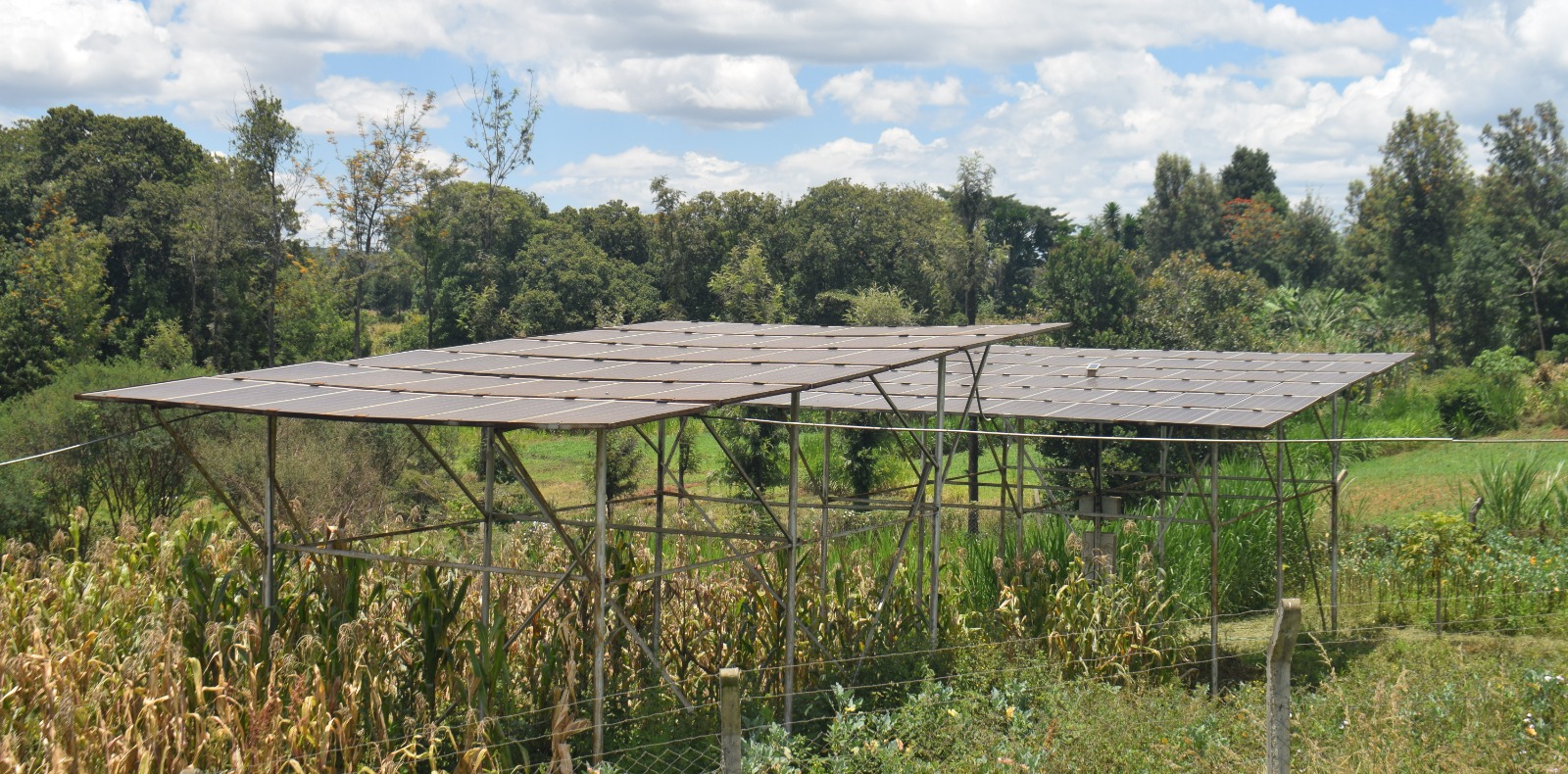
The dairy uses about 2,000 liters daily to clean the production area and for other purposes. They also have water storage tanks with a capacity of 84,000 liters, signifying how important water is in the factory.
With this, Dr. Mutai says they have bypassed the costs that would have been incurred from using hydroelectric power to pump water, considering that currently they are billed Ksh 335,000 (USD 2,583) monthly by Kenya Power and Lighting Company (KPLC) for main grid usage.
“We are hoping to upscale solar power usage from just pumping water to running other functions, including processing and even powering our offices,” he says.
Dr. Mutai adds that they are looking forward to cutting the cost of main grid electricity by 50% in processing, reducing it from the current Ksh 335,000 (USD 2,583) to Ksh 170,000 (USD 1,311) once solar energy is fully integrated into the factory.
“We are happy that we use only solar energy to pump and heat water from our borehole and for heating in general factory use,” he says.
Nancy Cherop, a Nakuru City-based agricultural economist, says investing in solar energy is a strategic move by SUKA Farmers’ Cooperative to arrest the ever-rising cost of production in the dairy industry. She emphasizes the critical role that energy plays in agri-processing, and how high tariffs often eat into farmers’ returns.
“The cooperative is reducing its operational expenses, especially in water pumping and heating,” she states.
Cherop further stresses the need to embrace solar energy, stating that apart from improving efficiency, it also shields the cooperative from unforeseen fluctuations in electricity prices.
“Consistent and affordable energy enhances the competitiveness of locally processed dairy goods, making them more attractive in the marketplace while fostering sustainable growth within the agricultural value chain,” she adds.
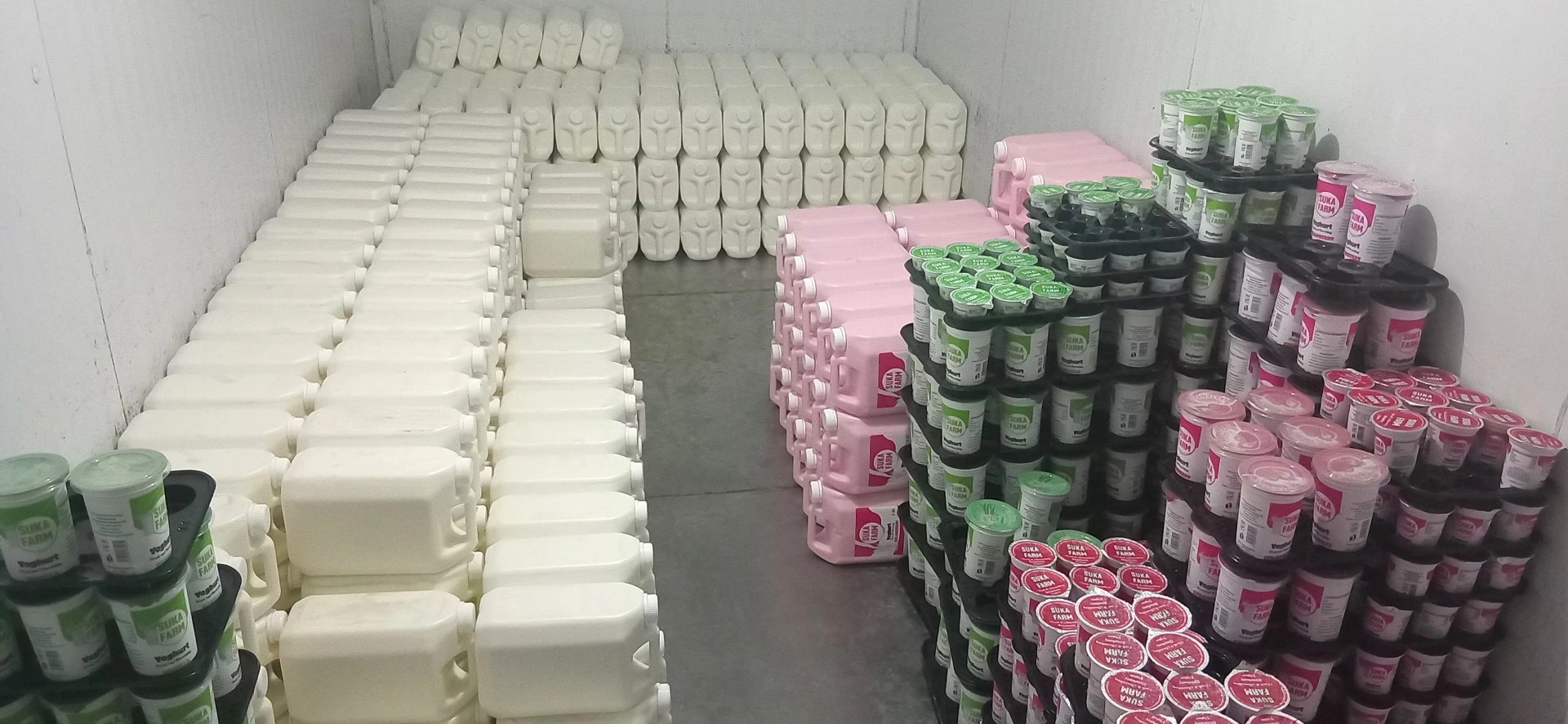
For Gakuhi, the integration of solar energy at SUKA is a direct cushion to his income. He supports full utilization in offices and other operations, because when operating bills are high, the society automatically passes the cost to farmers, resulting in reduced milk income.
“If the factory is paying Ksh 335,000 (USD 2,583) a month, what about if they were using the main grid to pump water? That would eat into our payout as farmers,” he says.
The expensive nature of energy impacts the competitiveness of products. Increasing energy prices present difficulties for agri-processing companies as they work to enhance the competitive edge of domestically produced goods against imported ones.
With rising energy costs, production expenses increase, prompting agro-processors to transfer these costs to consumers through higher product prices. As a result, goods become more expensive, discouraging consumers from purchasing and ultimately slowing down trade and wealth creation.
This is supported by Jane Wanjiku, 35, a resident of Nakuru and a regular buyer and consumer of dairy products, particularly yoghurt. She says product prices greatly influence her shopping decisions.
“If locally manufactured products are more expensive than imported ones, I would shy away from buying them and choose the cheaper alternatives instead,” she explains.
She adds that even though she appreciates and takes pride in locally produced products and the efforts that go into them, she always tries to be as economical as possible when shopping, especially given the prevailing state of the economy. Every shilling counts for her.
“I sometimes have to prioritize cost over origin to ensure my money stretches further and that my family can afford enough nutritious food each month,” Wanjiku says.
Adoption of solar power in the manufacturing industry is the most reliable way of cutting energy costs. Hydroelectric power remains unreliable and continues to be expensive, making it less predictable for businesses.
On the other hand, solar energy cushions manufacturers from fluctuations by offering a more stable and dependable source of power that supports sustainable growth. Moreover, embracing solar energy contributes to the realization of Sustainable Development Goal 7, which ensures accessibility to affordable, reliable, sustainable, and modern energy for all.

Follow us on WhatsApp for community voices, and stories that matter
-1785307406.jpeg)



-1784287755.jpg)