
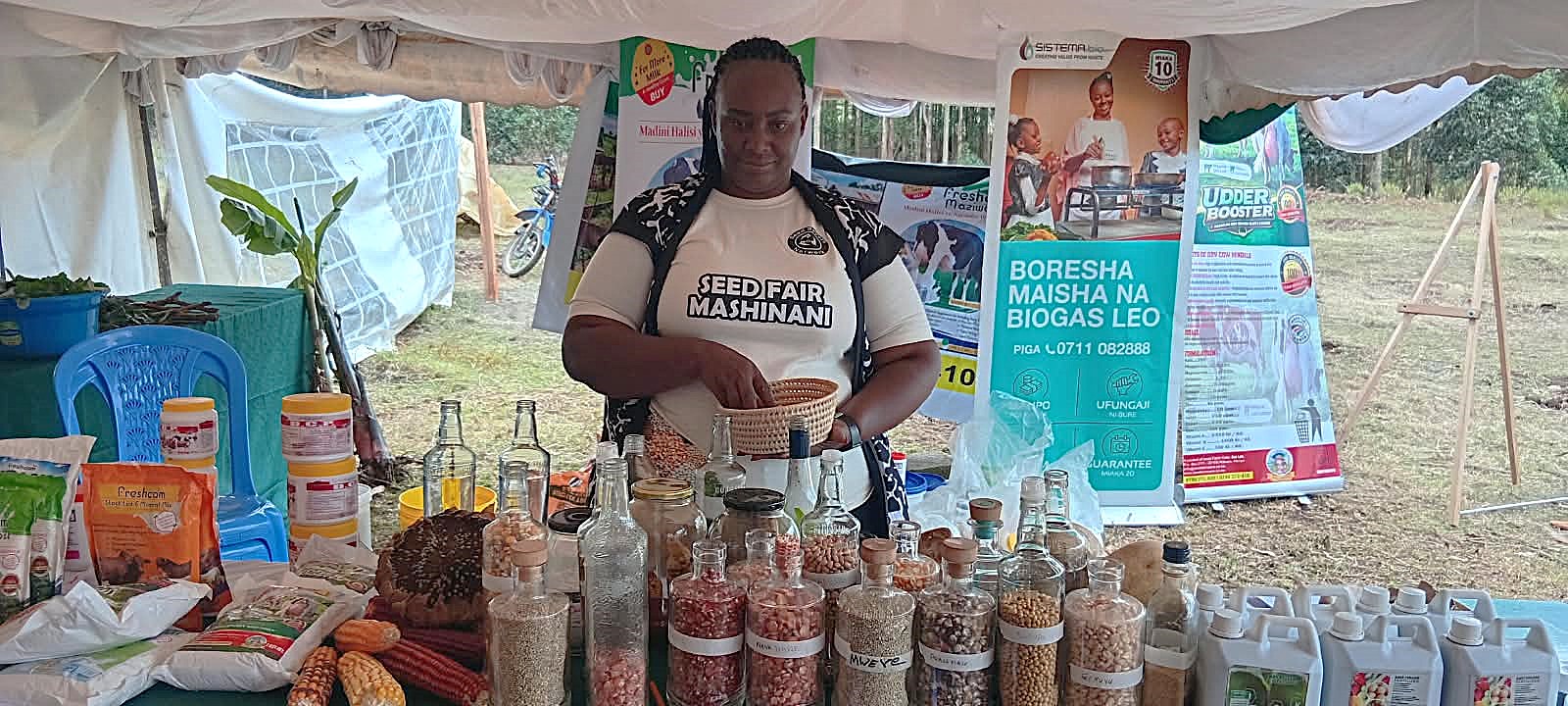
Farmers in Kigogo village, Gilgil, Nakuru County, gathered for a field day organized by the Kigogo Self-Help Women Group to promote indigenous seeds, regenerative agriculture and renewable energy. The event showcased sustainable farming solutions, including biochar-based soil amendments and biodigesters that convert cow dung into biogas for cooking.
It is midmorning 9th October 2026 in Kigogo village, Gilgil, Nakuru County. From a distance, the tops of tents are visible as villagers arrive one after another, register and take their seats. At the home of Lilian Ngatia, farmers from across the area have gathered for a field day event that attracted 120 farmers, aimed at promoting indigenous seeds, regenerative agriculture and Renewable Energy practices.
On display at the event are indigenous seeds intended to educate farmers on the importance of preserving traditional crop varieties. The fair was organized by Lilian Ngatia, leader of the Kigogo Self-Help Women Group which also a farmer field school with 20 members.
Ngatia says the women spent months preparing for the event, making it possible to host the village’s first field day. The initiative provides an opportunity for farmers to exchange knowledge, learn about indigenous seeds and explore sustainable agricultural practices.
“We are excited because this is the first event of its kind to happen in this village,” says Ngatia.
She adds that the field day provides an opportunity for community members to learn from one another and interact with exhibitors showcasing different agricultural technologies. The group has also established demonstration farms where farmers can learn and practice sustainable farming techniques, with plans to continue the activities beyond the event.
Read More
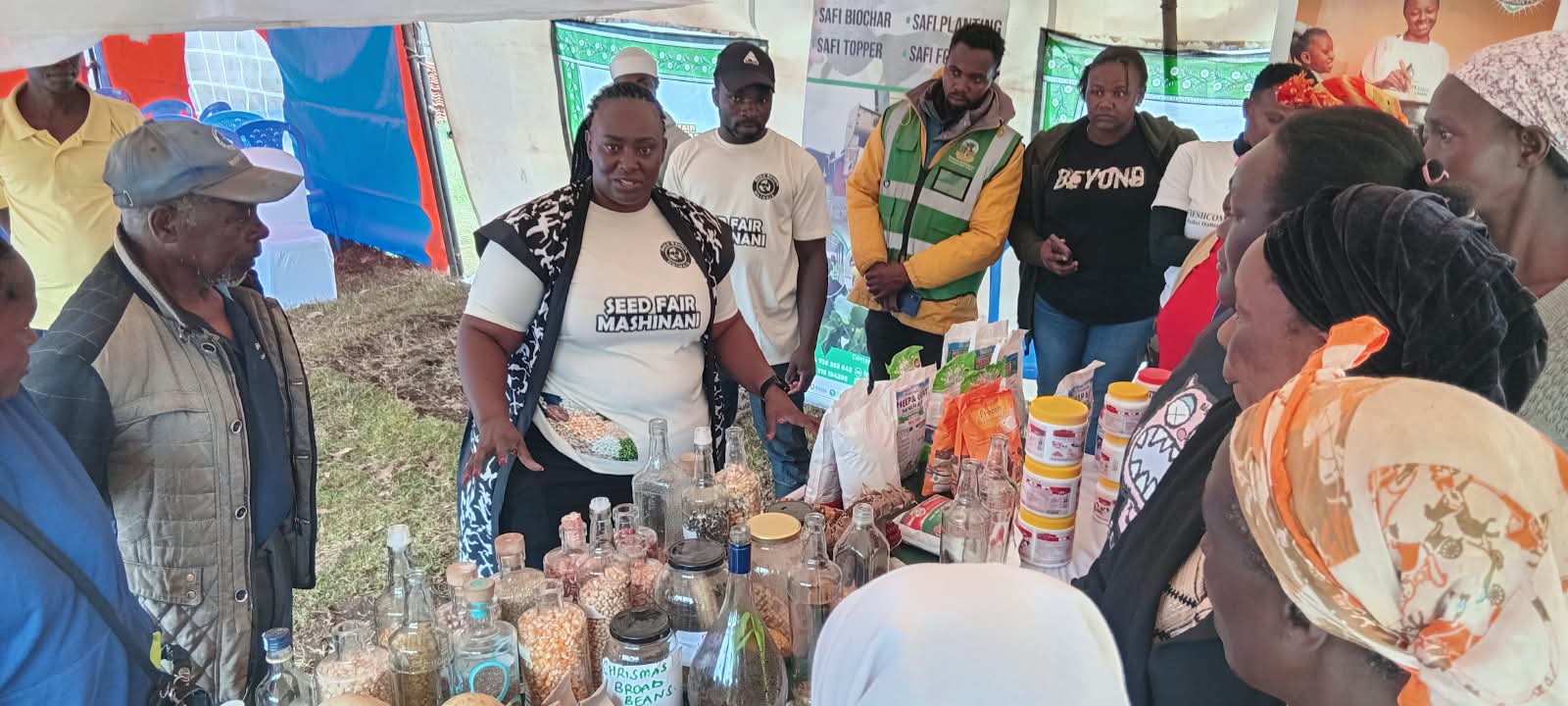
Among the exhibitors is Grace Wakonyo Mwangi, an agronomist at Safi Organic Fertiliser, based in Mwea, who is showcasing a soil Amender produced from biochar obtained by burning rice husks. The product is designed to improve soil conditions, enhance water retention and support crop production.
Wakonyo Mwangi says the company recommends blending the soil amendment with conventional fertilisers, particularly for farmers transitioning to organic agriculture but who are not yet ready to abandon synthetic fertilisers entirely. The recommended ratio depends on the amount of conventional fertiliser a farmer uses. For instance, a farmer applying two bags of conventional fertiliser is advised to use one bag of the soil Amender.
The product retails at KSh 2,850, while soil testing costs KSh 3,000, with results typically available within a week.
However, she cautions farmers against applying soil Amender without first understanding the condition of their soils. Soil testing, she says, helps establish the nutrients required to improve productivity. Although some farmers purchase the product without testing their soils, the company encourages them to identify their farms' specific needs before deciding on the appropriate interventions.
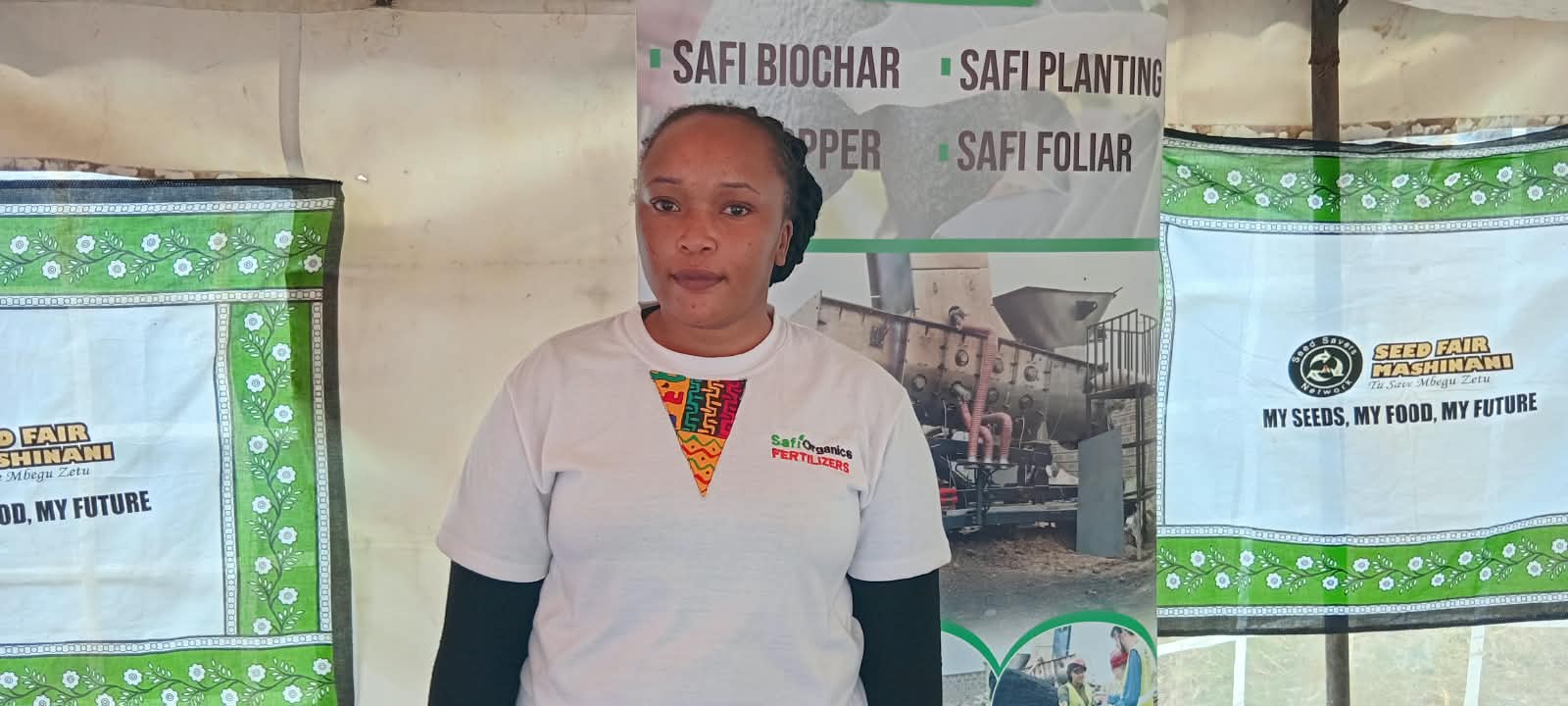
“I would like to encourage farmers to try organic farming. Organic farming is the way to go. And also, let us do soil tests for future purposes,” says Wakonyo Mwangi.
The fair also highlights the role of clean energy in promoting sustainable agriculture. Jane Kimani, from Sistema, an organisation involved in biodigester technology and biogas production, is encouraging farmers to turn animal waste into a source of energy for their households.
Kimani says the technology converts Methane produced from cow dung into biogas that farmers can use for cooking, offering an alternative to conventional cooking fuels while helping reduce Methane emissions.
“Any farmer who owns cows, even as few as two, can install our biodigester, and it will be beneficial to them,” says Kimani.
Sistema offers the Sistema 8 biodigester, designed for small-scale farmers keeping between two and eight cows. The system costs KSh 89,000 and is particularly suitable for zero-grazing farmers, who can easily collect animal waste for processing. To make the technology more accessible, the company offers flexible instalment payment plans of up to 25 months and has partnered with several financial institutions to help farmers finance the systems.

Area chief Ngige Mbogo welcomes the initiative, saying bringing agricultural knowledge and technologies directly to farmers is more practical than requiring them to travel to agricultural shows and other training workshops.
With the rising cost of living and transport, he says, taking training closer to farmers makes it more accessible and affordable. He believes the initiative will help farmers adopt improved agricultural practices while strengthening efforts to promote organic and regenerative agriculture in their communities.
Terryann Wamucii the program officer at the Power For Food partnership which is a movement made of 8 implementing partners, and is being implemented in 7 counties in Kenya, says the partnership aims to achieve resilient food systems powered by renewable energy.
Seed Savers Network (SSN), is keen to generate and document evidence on how integrated approaches can strengthen climate resilience among farming communities in Nakuru and Kericho counties.
As the effects of climate change, including prolonged droughts and unpredictable rainfall, become increasingly evident, farmers are seeking interconnected solutions that address persistent challenges such as declining soil fertility, rising production costs, water scarcity and declining agricultural productivity.
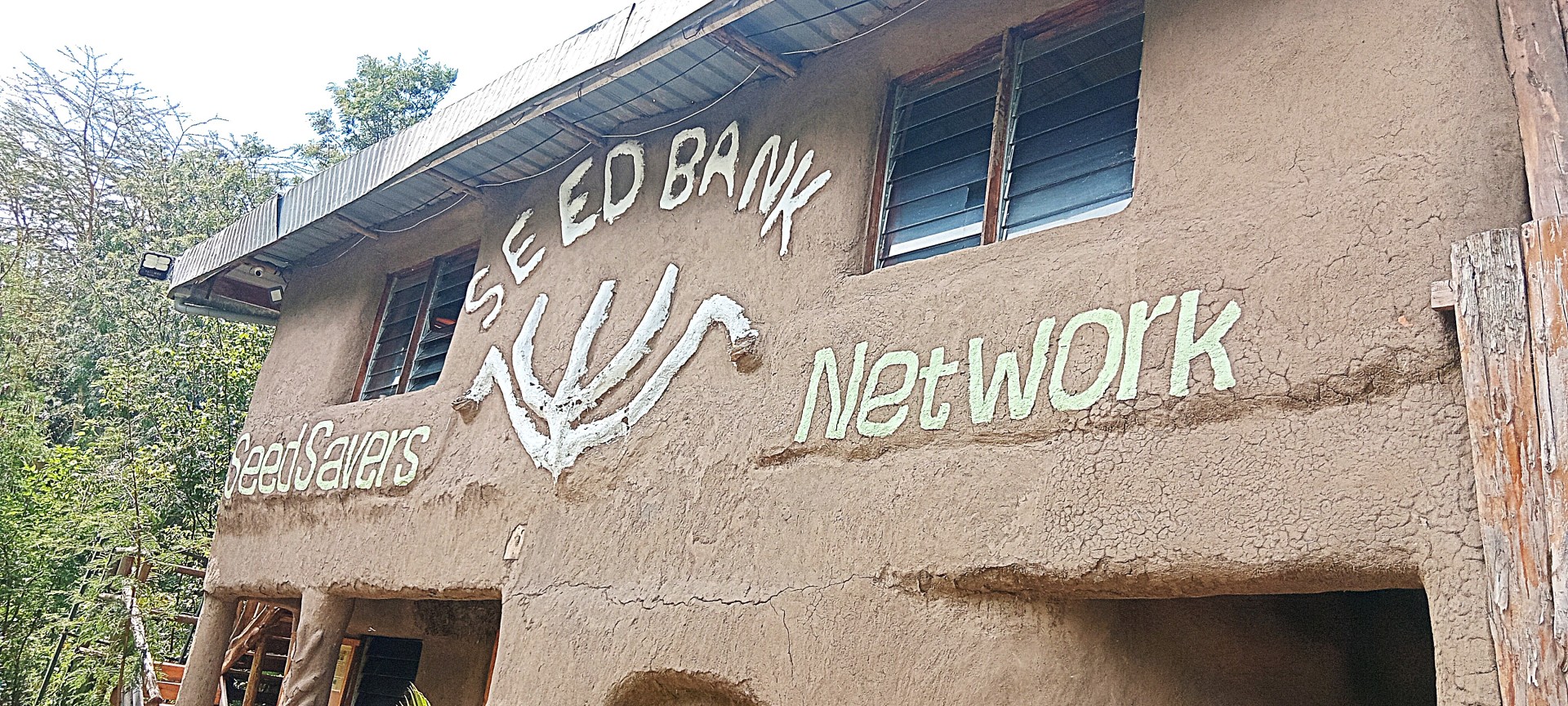
Through collaboration with county governments, research institutions, SMEs, farmer groups and other ecosystem actors, Seed Savers Network is promoting the integration of regenerative agriculture, productive use of renewable energy and resilient community seed systems to build more sustainable and climate-resilient food systems.
The focus is to document farmers’ experiences, emerging evidence and lessons on what works, under which conditions, and how these integrated approaches can be scaled to strengthen farmers’ resilience and livelihoods.
-1785307406.jpeg)


-1784287755.jpg)