
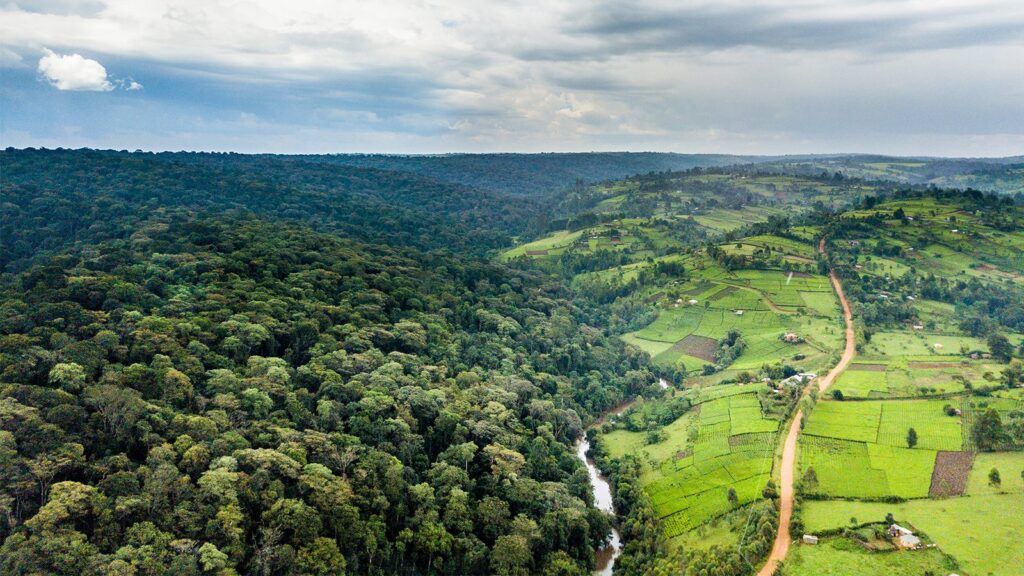
Once threatened by decades of deforestation and illegal logging, the Mau Forest Complex is showing signs of recovery. Through a Sh21.5 billion restoration programme, thousands of hectares are being rehabilitated, rivers are beginning to recover, and communities are becoming active conservation partners—offering a blueprint for balancing environmental protection with sustainable livelihoods.
Rain is returning to Kenya’s highest and only Water Tower. Here’s a look behind the scenes at the Sh21.5 billion Mau Forest Recovery Plan.
At sunrise, the Mau Forest Complex is covered in cool mist among native trees. Birds sing as rivers start flowing toward farms and towns. Nature is slowly recovering.
For decades, the Mau Forest Complex, Kenya’s largest closed-canopy forest and main water tower, has been key to the country’s environmental plans. It provides water to millions, feeds major rivers like the Mara, Sondu, and Molo, supports hydroelectric power, helps agriculture, and protects biodiversity.
However, illegal logging, charcoal burning, and human activity made the forest vulnerable. A recent Kenya Economic Survey found the country lost about 22 million tonnes of above-ground forest biomass from 2019 to 2024, with mountain water towers like the Mau suffering the most.
Now, things are changing. Forest cover is growing, young trees are filling damaged areas, river flows are improving, and local communities are helping to protect this important ecosystem. The Sh21.5 billion Mau Forest Complex Integrated Conservation and Livelihood Improvement Programme (MFC-ICLIP) plans to restore more than 33,000 hectares by 2035. It uses a four-part strategy to combine conservation with community needs. By mid-2026, the project had restored 1,500 hectares at key sites, achieving a 90% tree survival rate, in collaboration with 74 partners, including Egerton University.
Read More
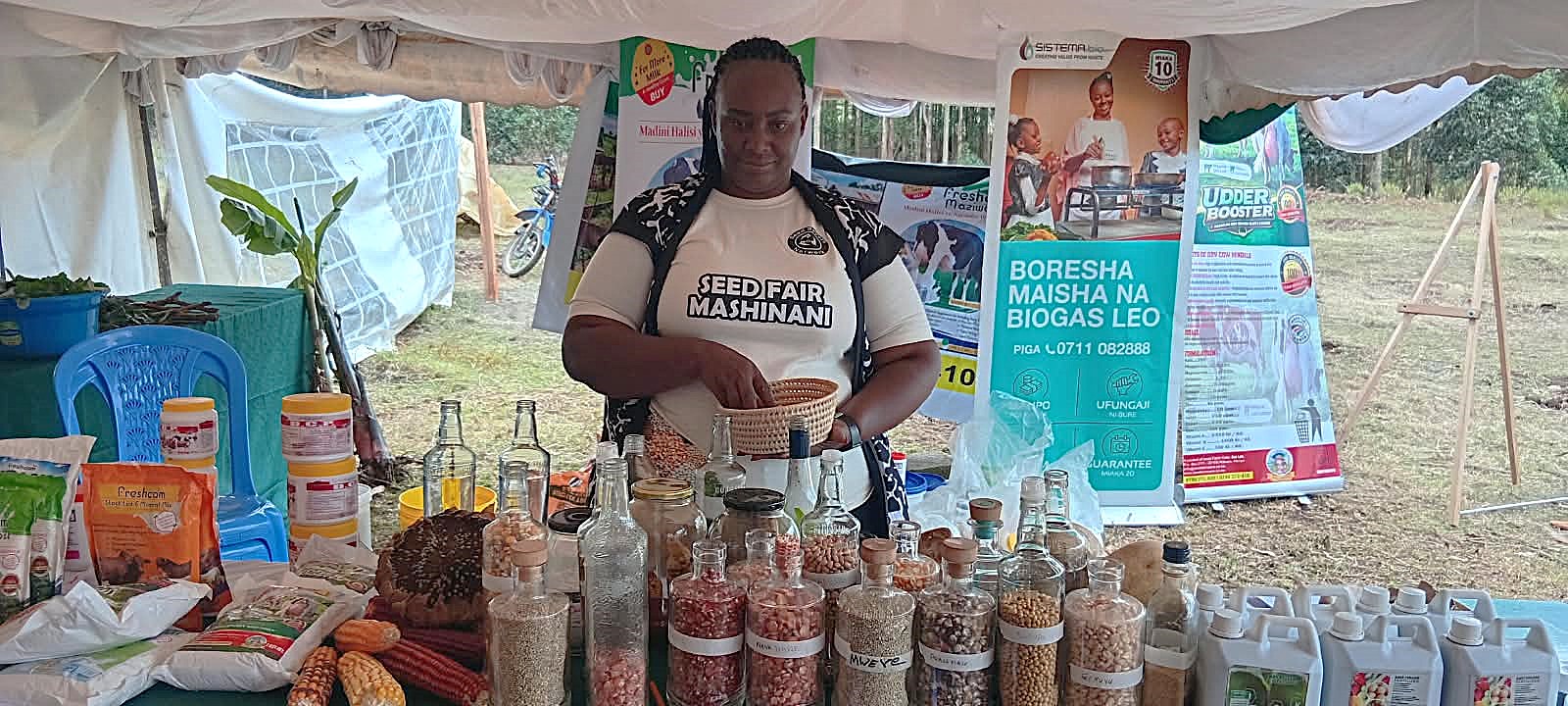
The programme supports Community Forest Associations (CFAs), women’s groups, and others with financial and ecological rewards. It has established fruit orchards in 180 schools and encourages sustainable kitchen gardens, helping communities become conservation partners. Now we are paid to nurture nurseries, giving us a stake in the forest. Water flows more reliably, and our crops have improved.
The Heartbeat of Kenya
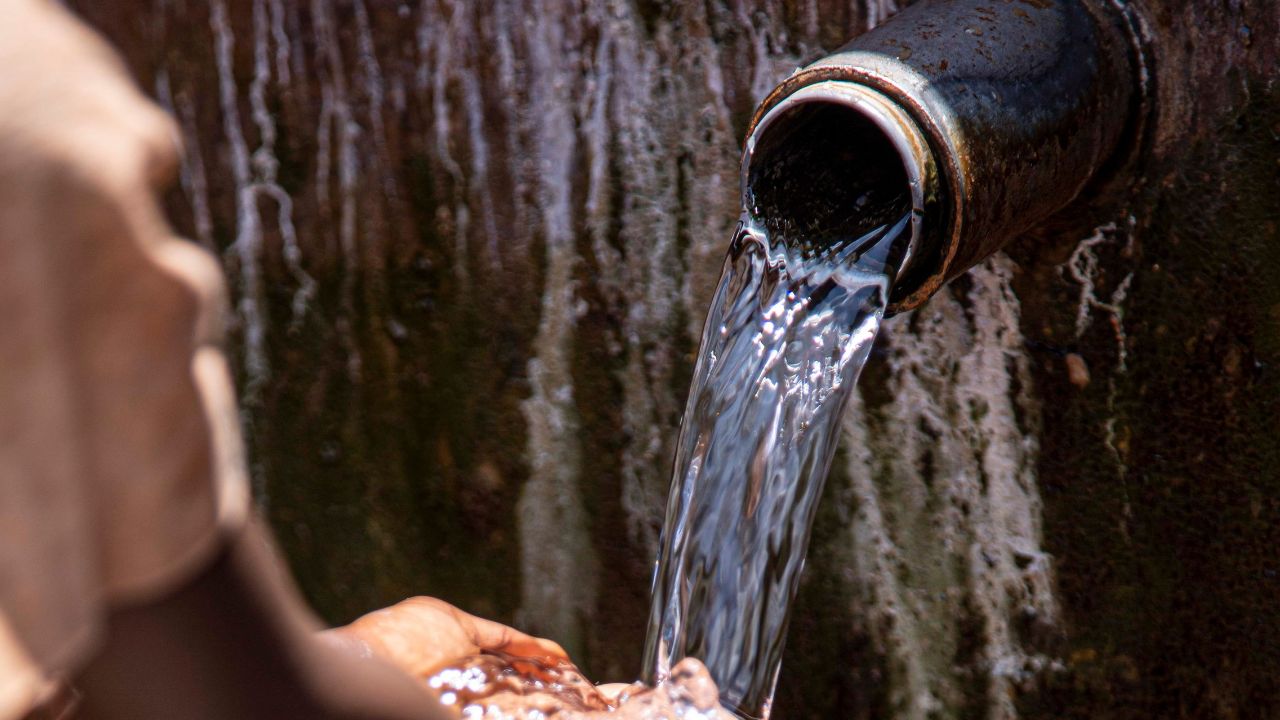
Covering thousands of hectares, the Mau works like a natural water tank. It collects rain, controls river flows, stops soil erosion, and stores carbon. Its rivers help local communities and famous ecosystems like the Masai Mara and Serengeti. It aligns with Kenya’s national goal to raise tree cover to 30% by 2032 through the planting of 15 billion trees, positioning the Mau as a flagship landscape.
Rivers that originate from the Mau Forest:
- River Sondu Miriu → Lake Victoria Basin
- River Mara → Serengeti / Masai Mara Ecosystem
- River Njoro → Lake Nakuru
- River Ewaso Ng’iro → Rift Valley Basins
Science, Community, and Lasting Change
Restoration uses satellite images, geospatial studies, and climate models to find damaged areas, plant seedlings through CFAs, and track progress. This approach leads to real gains in tree cover and carbon storage.
The biggest change is happening in nearby communities. Young people, women, schools, and leaders are planting trees and caring for the land. The programme provides clean water and better soil, and supports sustainable businesses, creating real environmental responsibility.
Each restored hectare helps water soak into the ground, protects water sources, and makes the area stronger against droughts and unpredictable rain. This is an investment in nature and Kenya’s long-term economic security.
A Story of Recovery
As of mid-2026, progress demonstrates what can happen when government, science, partners, and the public work together. The recovering Mau is now a strong icon of resilience. With the pledge, the Mau remains one of its strongest examples of nature restoration. What was once a story of loss is now a story of victory — written one community, one tree, and one hectare at a time.
-1785307406.jpeg)

-1784287755.jpg)