- Clean energy will not only cut the university’s carbon footprint but also align with the Sustainable Development Goals by delivering affordable power vital for education.
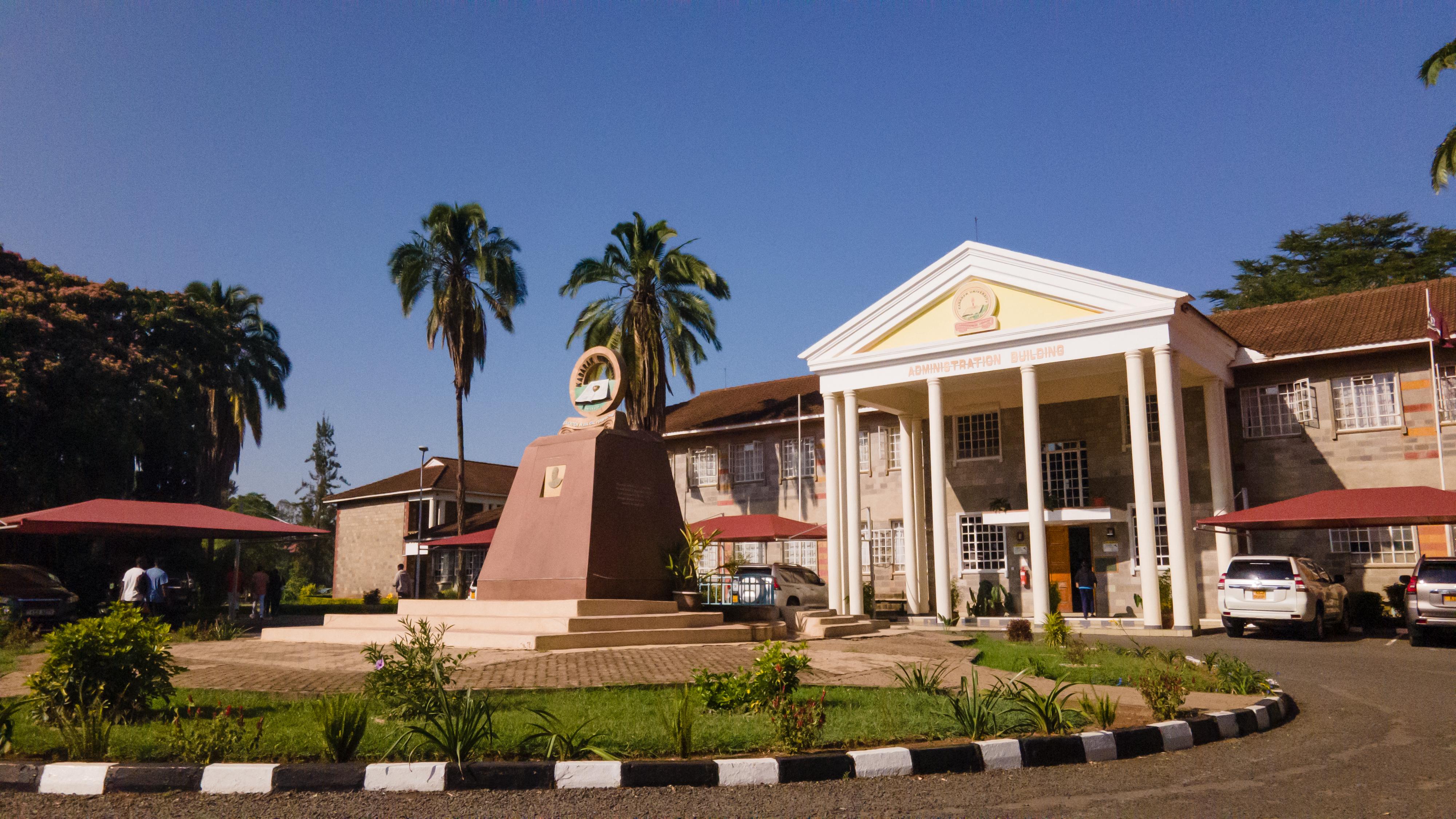
Kabarak University Chancellor Gideon Moi has announced that in 2026 the institution will commission the first phase of a renewable energy project, transforming the campus into a hub powered by reliable, clean energy.
He made the announcement on December 19, 2025, while presiding over the university’s 21st Graduation Ceremony, underscoring Kabarak’s vision of uninterrupted learning, discovery, and innovative impact.
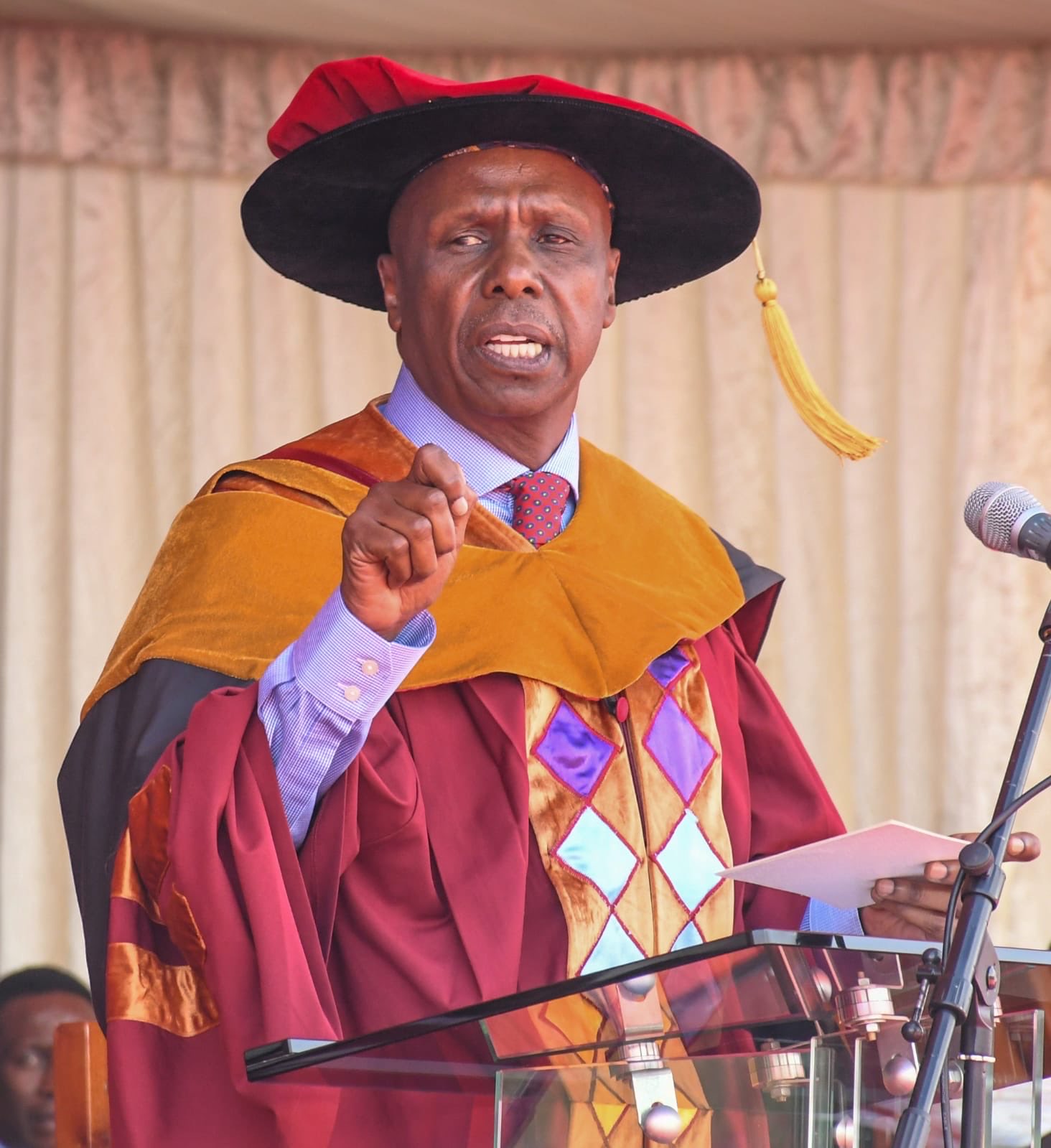
“This reinforces our leadership ambitions in Africa in sustainable education as a pioneer in Sub-Saharan Africa,” Moi declared.
Read More
He has emphasized that clean energy will not only cut the university’s carbon footprint but also align with the Sustainable Development Goals by delivering affordable power vital for education.
Former President Uhuru Kenyatta echoed this vision, noting that integrating renewable energy into academic programs strengthens Kenya’s competitiveness in science, technology, and innovation.
With this renewable foundation, Moi has revealed that Kabarak University is now pursuing artificial intelligence innovations powered by solar energy. These initiatives aim to drive advanced research, teaching, and real-world solutions, establishing the institution as a vibrant hub for AI-driven discovery and impact.
He has urged students, staff, and partners to embrace sustainable practices and innovation. “Together let us harness the sun to power our minds, embrace AI, and create a more equitable future,” he added.
Solar power, which harnesses sunlight to generate electricity or heat, remains one of the fastest-growing and most sustainable alternatives to fossil fuels.
Kenya has made notable progress in adopting solar energy as part of its renewable mix, positioning itself as a leader in Africa’s clean energy transition.
The country has expanded solar photovoltaic installations both on-grid and off-grid, with imports and projects rising sharply in recent years. Guided by the National Energy Policy 2025–2034, Kenya has placed renewables at the center of green industrialization, highlighting solar alongside geothermal and wind.
Off-grid solar home systems and mini-grids have been particularly transformative, electrifying rural communities underserved by the national grid. While about a quarter of Kenyans still lack access to electricity, solar power is bridging this gap by offering affordable, scalable solutions.
Falling panel costs, supportive government policies, and private sector innovation have accelerated adoption, creating jobs and boosting local economies.
Follow us on TikTok for real-time updates, community voices, and stories that matter.