
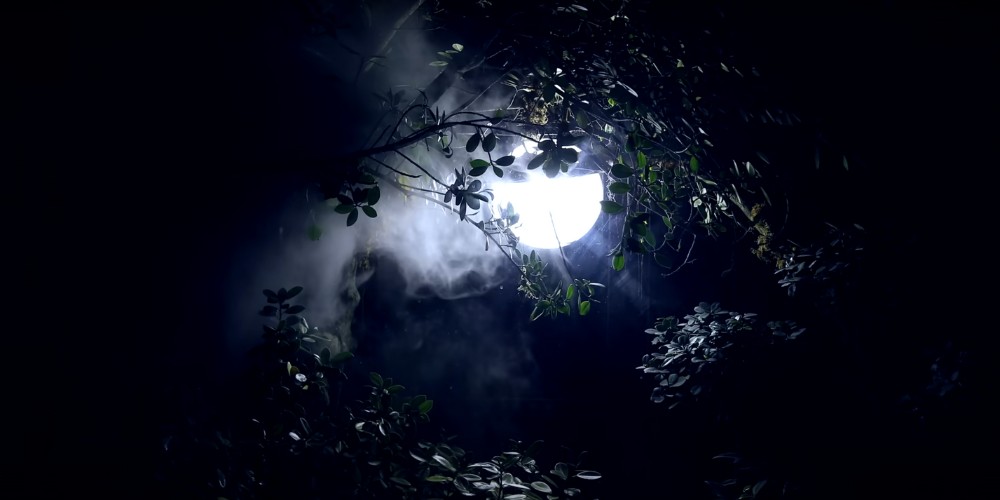
- Excessive artificial light affects insects, birds, sea turtles, frogs, bats and even some plant species.
- Light pollution may seem harmless, but it interrupts countless natural processes.
There is a special kind of wonder that comes with travelling at night during the festive season. As people leave the bright roads of Nairobi or Mombasa and move toward quieter rural towns, the sky begins to change.
The harsh glow of city lights fades, and the darkness settles into something softer and deeper. Suddenly, stars appear in numbers that feel almost impossible to see in urban centres.
For many Kenyans heading home for the holidays, this rediscovery of the night sky is an emotional moment, but it is also an environmental one. It reveals just how much biodiversity depends on darkness, and how easily that darkness can be lost.
People often think of conservation as something that happens in forests, oceans or national parks. Yet one of the most overlooked ecosystems is the night itself. Nature has a rhythm that relies on both light and darkness, and when darkness disappears, entire species struggle to survive.
Excessive artificial light affects insects, birds, sea turtles, frogs, bats and even some plant species. When the festive travellers look up from a bus window and notice how clearly the Milky Way stretches across the sky, they are witnessing what a healthy night ecosystem looks like.
Read More
Light pollution may seem harmless, but it interrupts countless natural processes. Insects die in large numbers after circling outdoor bulbs until exhaustion. Frogs and toads, which rely on darkness to call and mate, become silent near bright compounds.
Nocturnal predators struggle to hunt because artificial lights expose their movements. Migratory birds lose their navigation routes when city lights overpower the natural cues in the sky.

Even sea turtles along the coast become disoriented when beach hotels keep bright lights on, causing hatchlings to crawl away from the ocean instead of toward it. A simple roadside billboard or a security floodlight can unsettle an entire ecosystem.
This is why the festive rediscovery of the night sky is more than a beautiful moment. It is a lesson in what has been lost in many urban and peri-urban areas. When people travel upcountry and suddenly see thousands of stars, they are not just seeing beauty.
They are seeing the absence of light pollution. They are seeing the natural world functioning as it should. They are seeing a sky where insects can navigate, where birds migrate by starlight, and where nocturnal animals move freely without exposure.
The festive season also has a way of reconnecting people with memory. Many adults remember childhood holidays spent lying on grass, tracking shooting stars or learning the local names of constellations from elders. Back then, darkness was normal.
Today, children growing up in towns may never see the sky in its full form. They may never witness the scattered glow of the Milky Way or the clarity of Orion’s belt. This loss is not just cultural. It is ecological. Without darkness, wildlife that relies on the night cannot function naturally. The sky becomes one more environment that needs protection.
December offers a rare chance for reflection. As travellers step out of matatus upon arrival in villages, they often pause, look up, and take in the depth of the sky. That simple moment can inspire a new understanding of conservation.
Protecting the night is part of protecting biodiversity. It is as important as planting trees, cleaning rivers or reducing plastic waste. Something as small as switching to downward-facing bulbs, using warm-toned lights, switching off unnecessary security lights or reducing decorative lighting during the holidays can help restore ecosystems that depend on darkness.
The night sky is not just a backdrop to festive travel. It is an active, living space that guides, shelters and sustains countless species. When people travel home and marvel at the stars, they are also witnessing an ecosystem working quietly above them. And in that moment, the need to protect it becomes clear. A dark sky is not emptiness. It is life. It is balance. It is biodiversity in one of its most delicate forms.
As the year comes to an end and families journey across Kenya, the night sky becomes a gentle reminder that conservation is not only about what we can see on land. It is also about protecting the vast, star-filled darkness above us, because every creature that depends on the night depends on its safety. And so the festive journey home becomes a quiet call to protect the skies for all who live beneath them.
Follow us on TikTok for real-time updates, community voices, and stories that matter.
-1785307406.jpeg)


-1784287755.jpg)