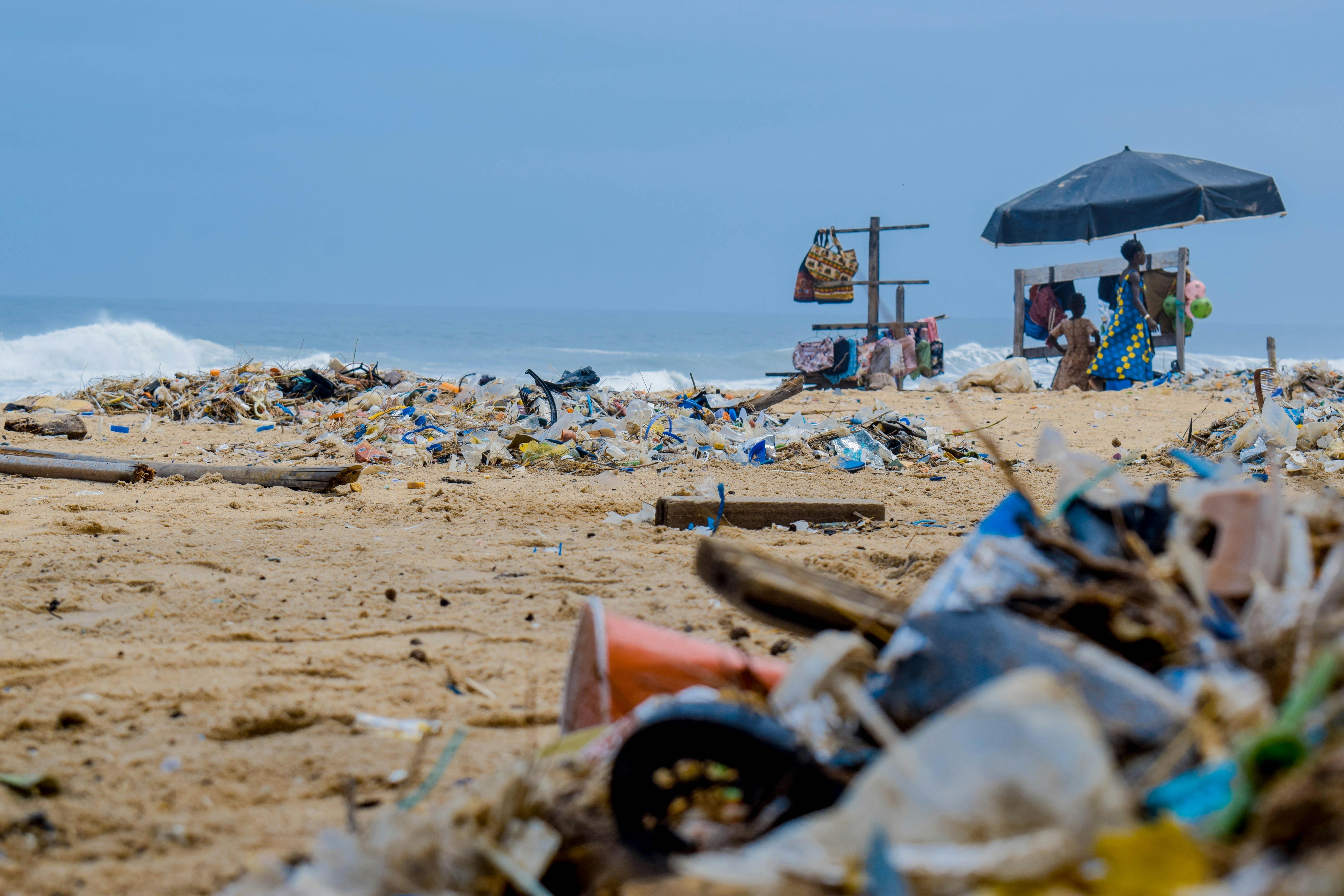
- Smaller species such as fish and plankton absorb microplastics, disrupting growth and reproduction. Ecosystems suffer as plastics alter food chains, weaken biodiversity, and destabilize marine life.
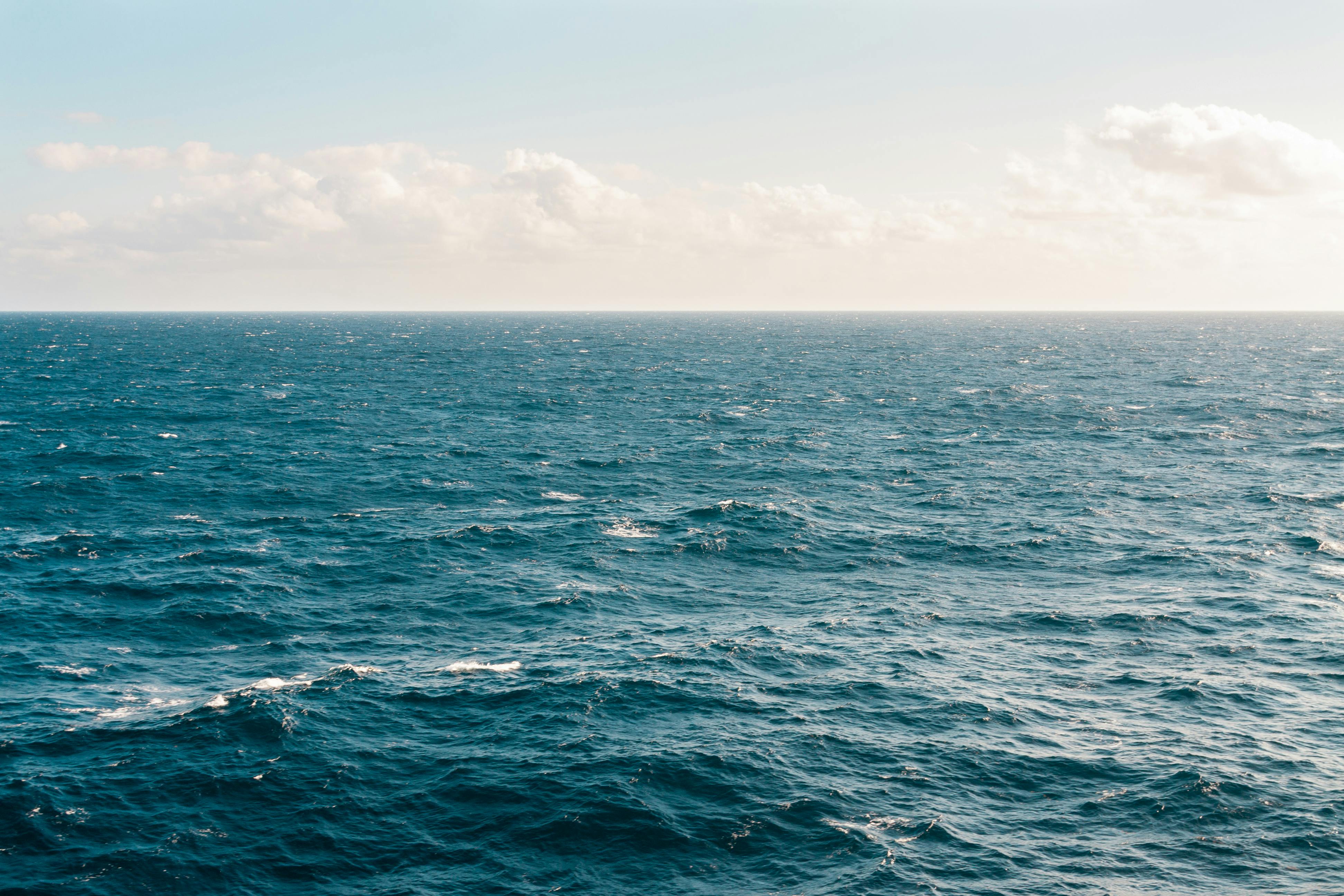
In December 2025, the Kenya Wildlife Service (KWS) discovered a whale lying dead on Leopard Beach in Kwale County. A post‑mortem revealed the cause: a plastic container lodged deep in its intestine.
“Plastic waste in the ocean persists for years, drifting and sinking through marine ecosystems where it harms and kills marine life. This loss demonstrates the far‑reaching impact of human pollution,” KWS said at the time.
This tragedy is not isolated. Around the world, similar cases have been reported, including a pygmy sperm whale in Honduras that died after ingesting plastic.
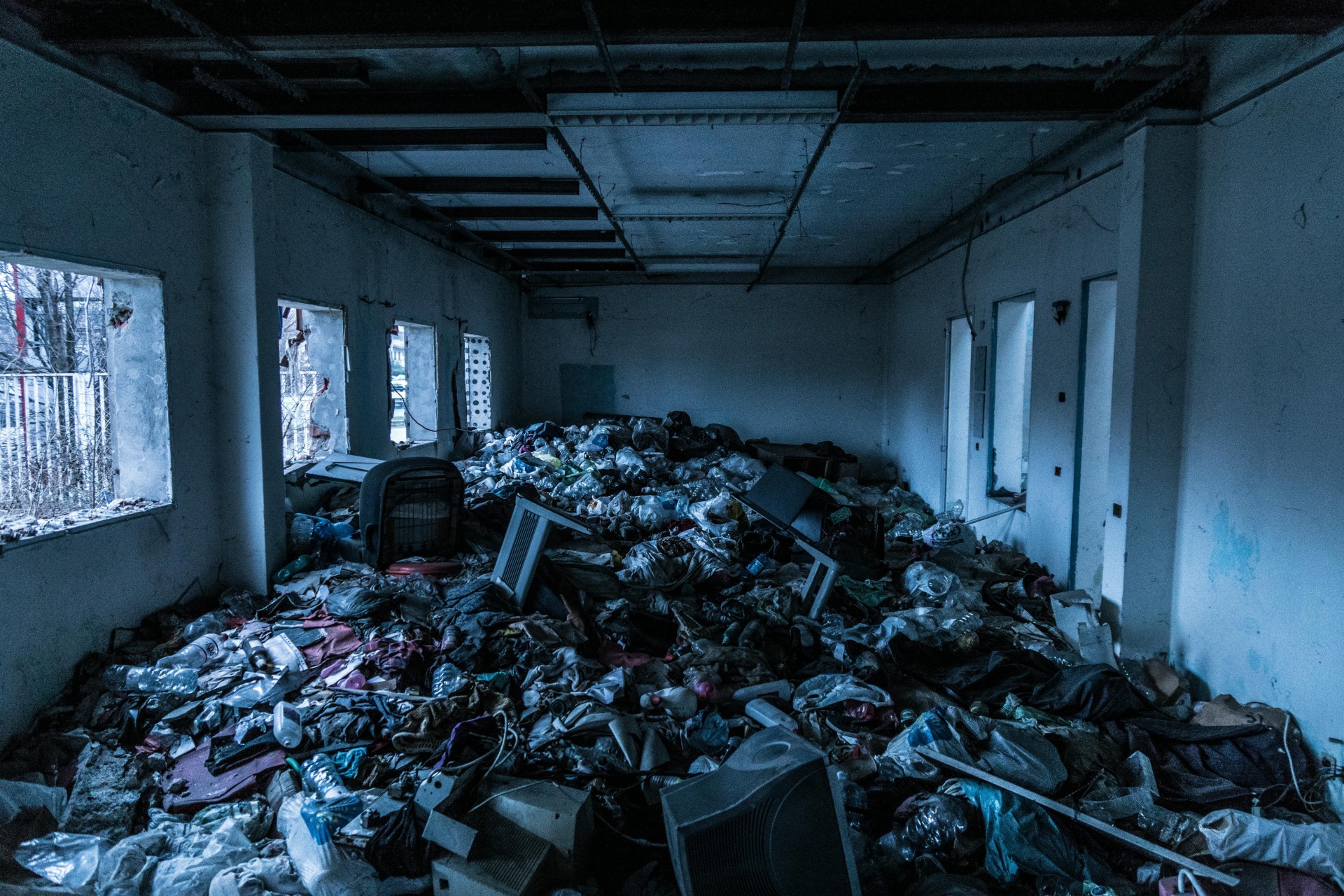
Plastic takes hundreds, even thousands, of years to degrade. Instead of disappearing, it breaks down into microplastics that never truly vanish. Large animals like whales and turtles ingest plastic debris, leading to blockages, starvation, and internal injuries.
Smaller species such as fish and plankton absorb microplastics, disrupting growth and reproduction. Ecosystems suffer as plastics alter food chains, weaken biodiversity, and destabilize marine life.
Read More
If a creature as massive as a whale cannot escape plastic, what chance do smaller species or humans have? Studies show microplastics lodge in our lungs, brain tissue, and reproductive organs.
Research from the University of Technology Sydney and Auburn University in the United States (US) reveals that humans consume about 250 grams of microplastics every year roughly the size of a dinner plate.
These tiny fragments, found in processed food and drinks, contaminated seafood, tea bags, salt, dust, soil, and synthetic fibers, trigger inflammation and damage in the brain.
Scientists outline five alarming effects: disrupting the blood‑brain barrier, triggering immune cell activity, generating oxidative stress that damages cells and tissues, impairing mitochondria, and damaging neurons.
Furthermore, a study published in Nature Magazine in 2025 discovered that microplastics are more likely to accumulate in the brain than in any other part of the body.
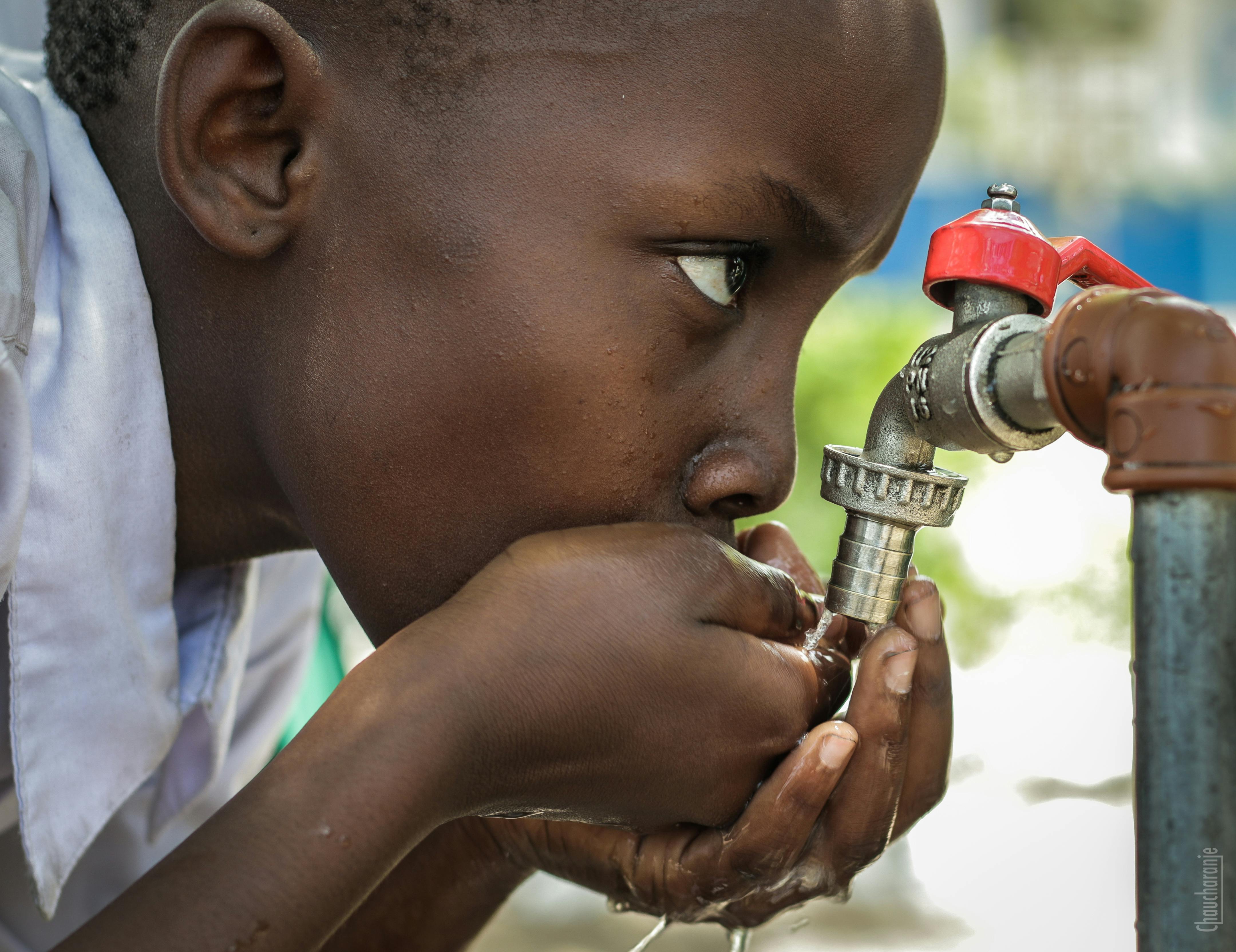
Microplastics are not confined to oceans. They are in the water we drink, the food we eat, the clothes we wear, and even the air we breathe. If the largest creatures in the ocean cannot survive the plastic tide, humanity must confront the reality that we are already drowning in it.
Follow us on WhatsApp for real-time updates, community voices, and stories that matter.