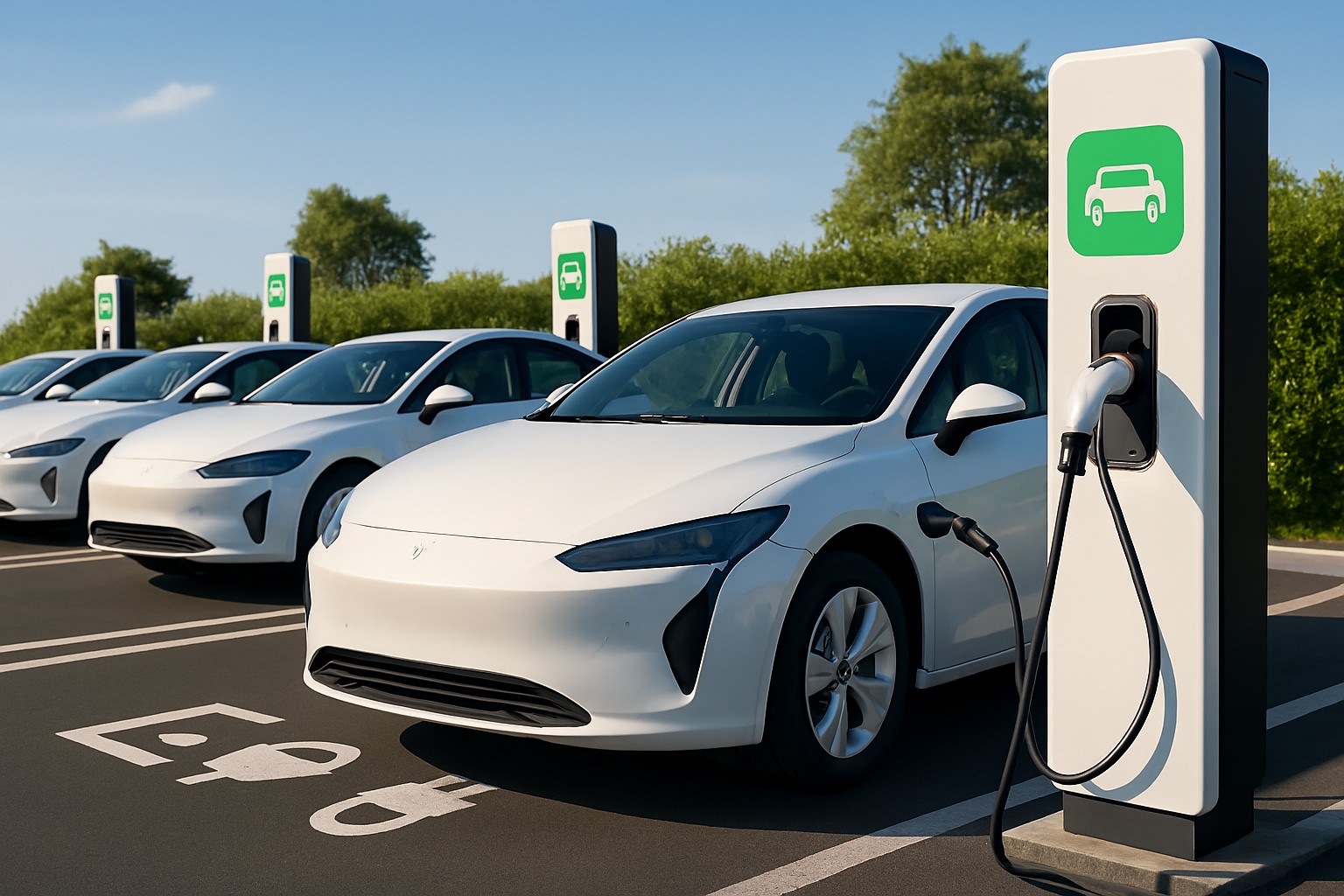
- Being Electric the cars do not produce the emissions that petroleum vehicles produce. This allows Kenya to not only stand as a regional leader in environmental conservation but also reduces the contamination from a practical direction.
Kenya is moving into a new era of transport efficiency with the launch of the E‑Mobility Policy. The policy sets out a clear framework for how the country will adapt to an energy‑efficient electric transport system while cutting down carbon emissions.
From the launch date (February 3, 2026), all newly registered electric vehicles began receiving green reflective number plates, a visible symbol of Kenya’s shift toward cleaner mobility. The plates, priced at Ksh 3,000 for already registered vehicles, symbolize Kenya’s shift toward cleaner mobility.
Roads and Transport Cabinet Secretary Davis ChirChir presided over the launch at KICC, emphasizing that the policy is not only about environmental conservation but also about economic transformation. Electric vehicles will be assembled locally at the Associated Vehicles Assemblers plant in Mombasa, breaking the long‑standing norm of importing cars. This change opens the door to thousands of job opportunities and strengthens the transport industry.
Electric cars, unlike petroleum vehicles, do not produce harmful emissions. Their introduction positions Kenya as a regional leader in environmental conservation while offering practical benefits such as reduced contamination. To encourage adoption, the government has allocated special parking spaces for electric vehicles, with perks like lower parking fees for those bearing green plates.
The policy pushes Kenyans to embrace a new transport culture, one that blends sustainability with opportunity. Yet, the looming question remains: are all vehicle owners aware of the June 2026 deadline, and will they comply with this transformative framework?
Follow us on TikTok for real-time updates, community voices, and stories that matter
-1785307406.jpeg)



-1784287755.jpg)