
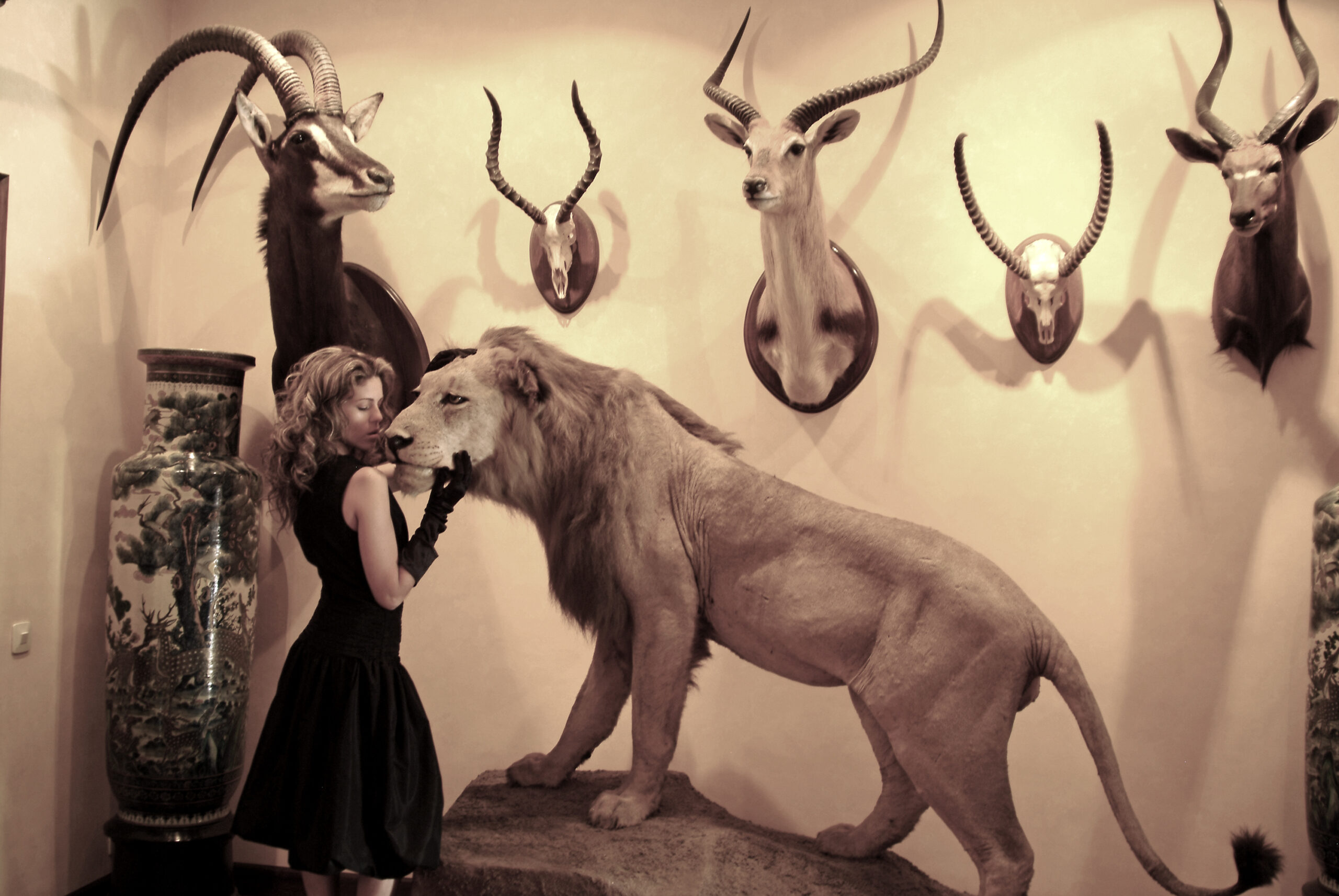
Kenya’s 1977 ban on trophy hunting, reaffirmed in 2024, protects wildlife and strengthens its global conservation image.
The prohibition sustains tourism and local livelihoods, proving eco‑tourism is more profitable than short‑term hunting gains.
Trophy hunting, the killing of wild animals for sport and displaying their remains as “trophies” is still the most heatedly contested argument among conservation efforts. Despite the fact that certain African nations have permitted it under controlled systems, Kenya courageously eliminated the practice in 1977.
The country, thus, continues to describe the activity as an anachronism and deplorable after almost 50 years. The argument extends beyond animals to include human rights, livelihoods, and the ethical obligation to help nature.
The Wildlife Conservation and Management Act of Kenya makes hunting for trophies a criminal offense, and those who commit the crime must be financially penalized and imprisoned.
The government decision in 2024 to reaffirm the ban on hunting was another clear indication of not only Kenya but also officials' stance on wildlife being more useful alive than dead. They argued that conserving biodiversity is the cornerstone of Kenya's worldwide image as a conservation leader.
Renewed debates and petitions regarding trophy hunting have marked the last few years. In August 2024, the Nairobi NGOs that oppose the practice, unveiled a petition to that effect and warned that the reestablishment would be detrimental to the Kenya conservation legacy.
Read More
The Nzau v Republic (2024) case reflects the courts' position that even under Kenyan law, crimes that threaten nature will be dealt with severely. Illegal hunting activities have only been reported in a few instances in Kenya, while the country has taken a strong legal stance against it and enjoys great support from the public which makes such events less frequent than in the neighboring countries.
Through the prohibition, Kenya has been able to maintain her populations of elephants, lions, and giraffes although they still face threats from poachers and loss of habitats. The fauna-related tourism is one of Kenya’s moneymakers and to that effect, the economy and communities gain immensely from it.
The practice of trophy hunting yields only little profit for a short period of time; thus, both conservation and people's livelihoods are jeopardized.
It is a human-centered problem at its core. The communities that live near national parks and are the most affected by the situation have to be supported through tourism, which, in turn, provides the resources for schools, healthcare, and jobs. Wildlife conservation is the ticket for these communities to have a bright future.
Meanwhile, animals are entitled to exist without being exploited. The killing of animals for trophies is a violation of the principle of respect, where on the contrary, the wonderful species are reduced to mere souvenirs.
While Kenya has outlawed the killing of trophies, countries such as South Africa and Namibia have permitted it under controlled systems. Those who defend it argue that it generates funds for conservation, but those who oppose it say that it is mostly a matter of foreign hunters and elites, and not much of local communities.
The Kenya’s model is a perfect example of how focusing on eco-tourism and strict protection can bring about both ethical and economic success.
Trophy hunting transcends a political stalemate in environmental conservation to become a moral dilemma. The prohibition in Kenya speaks volumes as to the profitability of wildlife protection, which in turn leads to the sustainability of both the ecosystems and human communities.
Countries in support of a ban round the globe are getting louder in their demands, and Kenya is keeping up by being a shining example, whereby the very fact that nature is wonderful makes the only way forward protecting it.
Follow us on WhatsApp for real-time updates, community voices, and stories that matter.
-1785307406.jpeg)


-1784287755.jpg)