Agroforestry blends trees, crops, and livestock into dynamic ecosystems that enrich soil, conserve water, and boost biodiversity.
It builds resilience against climate extremes while diversifying farmers’ income and fostering sustainable food systems.
Think beyond the traditional image of picturesque landscapes and perfectly aligned trees. Agroforestry is not just about beauty — it represents a quiet revolution, reshaping how we perceive and interact with nature.
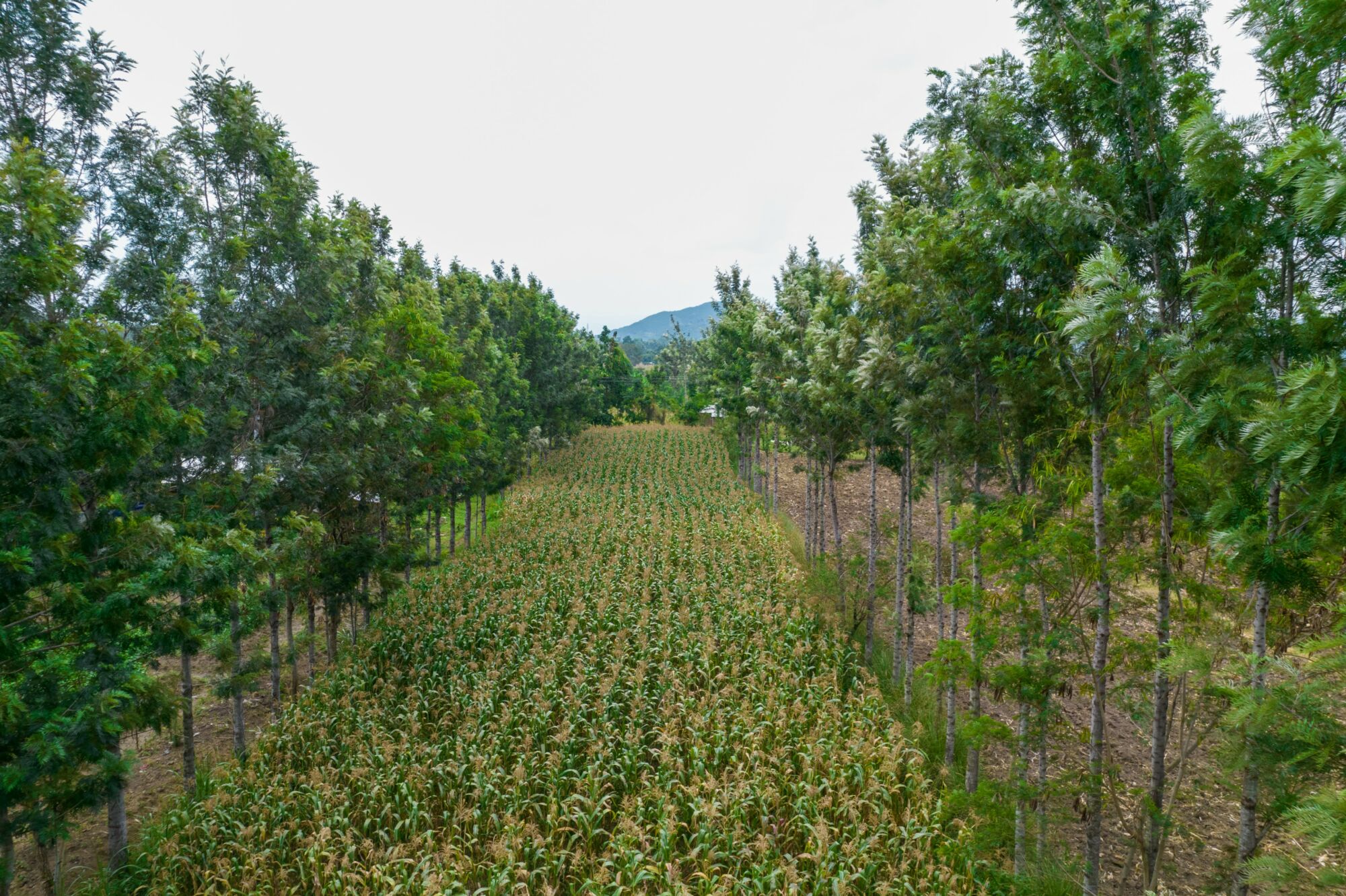
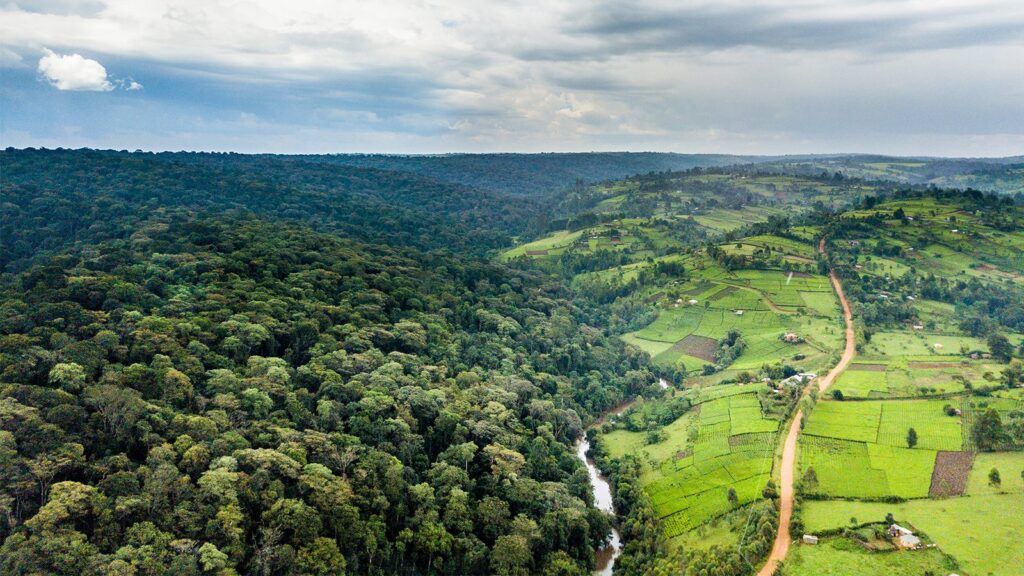
It is more than a painting; it is a dynamic ecosystem where trees and crops engage in a silent dialogue. Imagine a farm where the boundaries between forest and field blur, creating a mosaic of interconnected life.
Agroforestry goes beyond simply planting trees alongside crops. It requires understanding the vital relationships between them. Trees provide more than timber: they serve as living infrastructure, offering shade, enriching the soil, and improving water cycling by drawing moisture from deep within the earth.
This is not a one‑size‑fits‑all solution. Agroforestry adapts to specific contexts — soil, climate, and community needs. It can take the form of alley cropping where carefully selected trees shelter delicate crops; woodland grazing (silvopasture), where livestock graze among diverse trees, benefiting from shade and nutrient cycling; or forest farming, which mimics natural ecosystems to cultivate valuable crops beneath the canopy.
The true strength of agroforestry lies in resilience. It is not about maximizing yields in a single season, but about creating systems that withstand unpredictable challenges. Trees act as buffers against extreme weather, protecting crops from wind and drought. They stabilize environments, attract pollinators and beneficial insects, and diversify farmers’ income offering a safety net against market fluctuations.
Read More
Agroforestry is not a distant ideal but a practical, grounded approach. In drylands, trees conserve water; in temperate regions, alley cropping systems are gaining momentum. While it requires knowledge, investment, and a shift in mindset, it offers a path toward a more sustainable and equitable food system that acknowledges the interconnectedness of all living beings.
Rather than trying to conquer nature, agroforestry teaches us to work with it, becoming part of the complex web of life. It signifies a quiet but profound change in our relationship with the land, promising a future where agriculture and ecology are not in conflict but partners in a shared destiny.
Follow us on WhatsApp for real-time updates, community voices, and stories that matter.
-1785307406.jpeg)


-1784287755.jpg)