
-1769677767.jpg)
- Augustus Chepkurwo, Chairman of the Baringo County Conservancy Association and Secretary of the Morop Tarambas Conservancy, emphasizes the success of the Farmer Field School in equipping farmers with conservation and sustainable farming knowledge.
When it comes to climate change and biodiversity conservation, community involvement is essential.
Local communities are not passive observers of environmental change; they are frontline responders, stewards of natural resources, and holders of indigenous knowledge.
In places like Baringo County, where ecosystems intertwine with daily life, empowering residents to lead conservation efforts builds lasting resilience and protects biodiversity for generations.
This is exactly what’s unfolding in Sesya, located in Baringo County’s Ewalel Chapchap ward.
Here, residents actively participate in climate resilience and biodiversity preservation. Sesya sits near Kibingor village, about 13 kilometers from Kabarnet and 27 kilometers from Marigat.
Read More
It is part of the larger Morop Tarambas Community Conservancy, which spans 21 hectares and supports more than 15,000 people.
The conservancy focuses on biodiversity preservation, climate resilience, and eco‑tourism.
For months, farmers in Sesya gathered under the “Shule Bila Ukuta” model—open‑air, hands‑on learning sessions that blend indigenous knowledge with climate‑smart techniques.
On October 16, 2025, the Kenya Forest Service (KFS), through the Green Zone initiative, celebrated a milestone: the graduation of a new cohort from the Sesya Forest Farmers Field School.
These farmers didn’t just learn how to grow crops—they learned how to conserve ecosystems, collaborate across generations, and uplift their communities through sustainable practices.
The Farmer Field School, known locally as “Shule Bila Ukuta,” empowers farmers with practical skills in climate resilience, agroforestry, and biodiversity conservation.
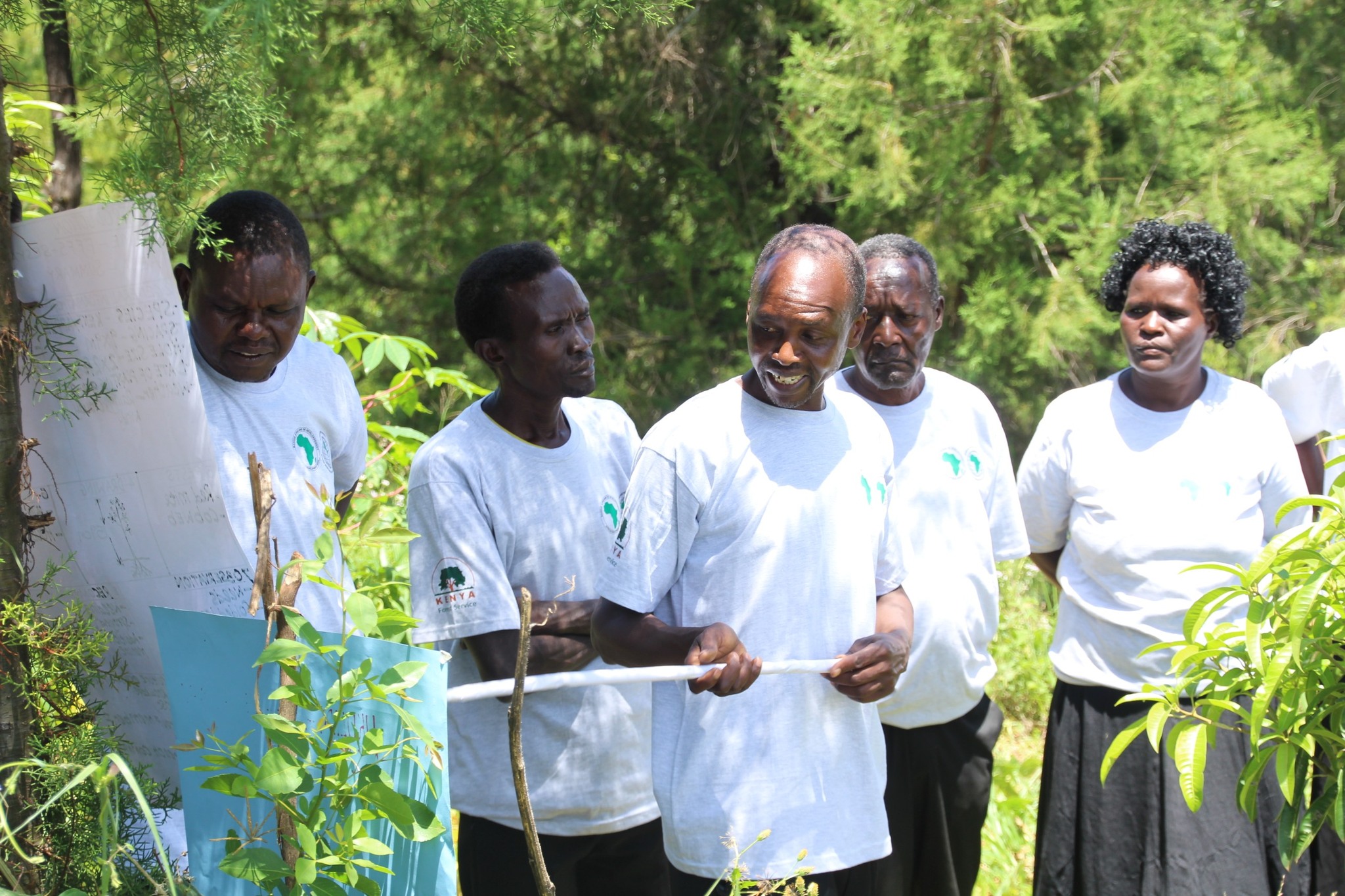
It is part of KFS’s broader strategy to increase forest cover and promote sustainable livelihoods across Kenya.
So far, it has helped farmers adopt sustainable practices, establish tree nurseries, and contribute to national reforestation targets.
This initiative is transforming forest spaces into classrooms and farmers into conservation champions.
Graduates now diversify their crops, establish tree nurseries, and apply precision in spacing and seeding. They understand soil health, pests, and weather patterns. They turn knowledge into action.
Through KFS, they run experiments—planting maize with fertilizer, organic manure, and bare soil. These trials reshape how farmers think about soil health, crop spacing, and sustainable inputs.
But the land is changing. Climate disruption brings erratic rains, invasive pests, and exhausted soils.
Farmers face more than agricultural challenges—they face ecological uncertainty, and they are calling for support.
Augustus Chepkurwo, Chairman of the Baringo County Conservancy Association and Secretary of the Morop Tarambas Conservancy, emphasizes the success of the Farmer Field School in equipping farmers with conservation and sustainable farming knowledge.
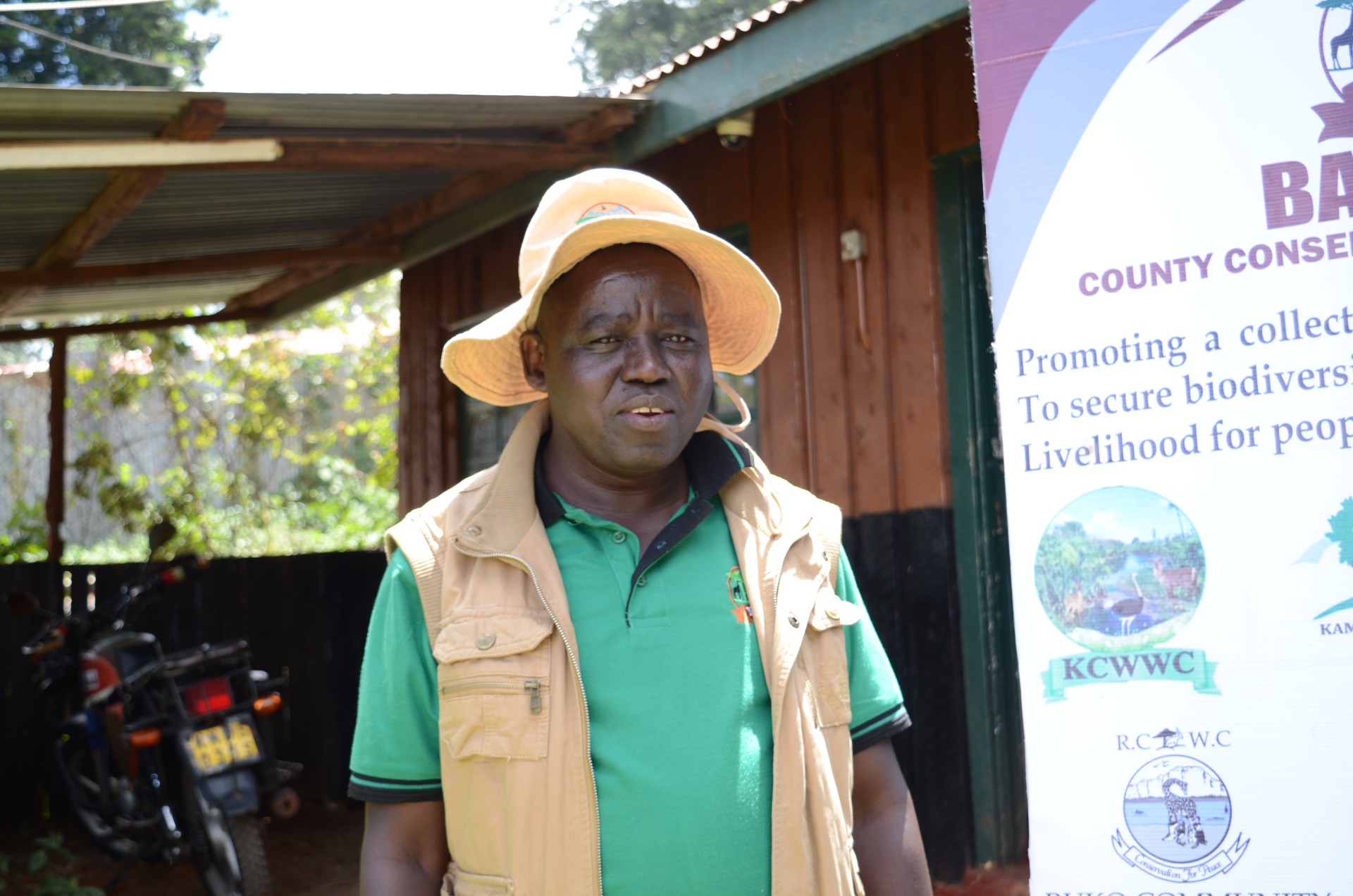
His main concern is ensuring that more farmers—especially those outside the program—receive similar training and support to build capacity and resilience.
He highlights the region’s growing commitment to environmental stewardship, noting that Baringo now hosts 16 community conservancies, categorized into three landscapes: the Baringo Landscape, Lake Bogoria Landscape, and the Highland Landscape.
Among the innovations emerging from the program is sunflower oil production, which helps farmers diversify income.
The Morop Tarambas Conservancy plays a vital role in promoting biodiversity and eco‑tourism.
Chepkurwo also acknowledges the contribution of Hand in Hand East Africa, a partner organization supporting farmer outreach and training.
The 30 graduates have been designated ambassadors of conservation, tasked with spreading knowledge and encouraging others to engage with KFS.
To support climate change mitigation, farmers in Morop Tarambas have received tree seedlings to conserve local springs.
Chepkurwo urges communities to take climate action seriously and embrace conservation in ways that suit their local environments, reinforcing the message that collective action is key to resilience in Baringo.
Daniel Ng’ang’a, Branch Manager for the Kabarnet Hand in Hand Eastern Africa, underscores empowerment and sustainability as the heart of Hand in Hand East Africa’s mission in Baringo.

The organization builds capacity in entrepreneurship, financial management, climate resilience, and savings.
Ng’ang’a points to a cultural shift: women now actively participate in beekeeping, a field once dominated by men, showing how empowerment changes gender norms and expands opportunities.
Hand in Hand ensures that groups are sustainable and job‑creating, not dependent on external aid.
They introduce value chains aligned with local resources and community needs, such as beekeeping and sunflower farming.
The “Sunflower Bloom and Buzz” project restored bee populations after the 2020 locust invasion, increased honey production, and introduced a new crop to the region.
Farmers also train in organic farming and soil conservation, supporting biodiversity and long‑term agricultural health.
Months after the graduation, I returned to Sesya to see the impact. Loise Ngetich, one of the graduates, reflected both personal growth and community responsibility.
“I got teachings that helped me in farming—like selecting the right seeds, going for regular checkups, and knowing which animals affect crops,” she explained.
“This way, you can learn how to take care of the crops.”
Loise now shares her knowledge with neighbors. “I will teach my neighbors so they can also gain knowledge,” she said.
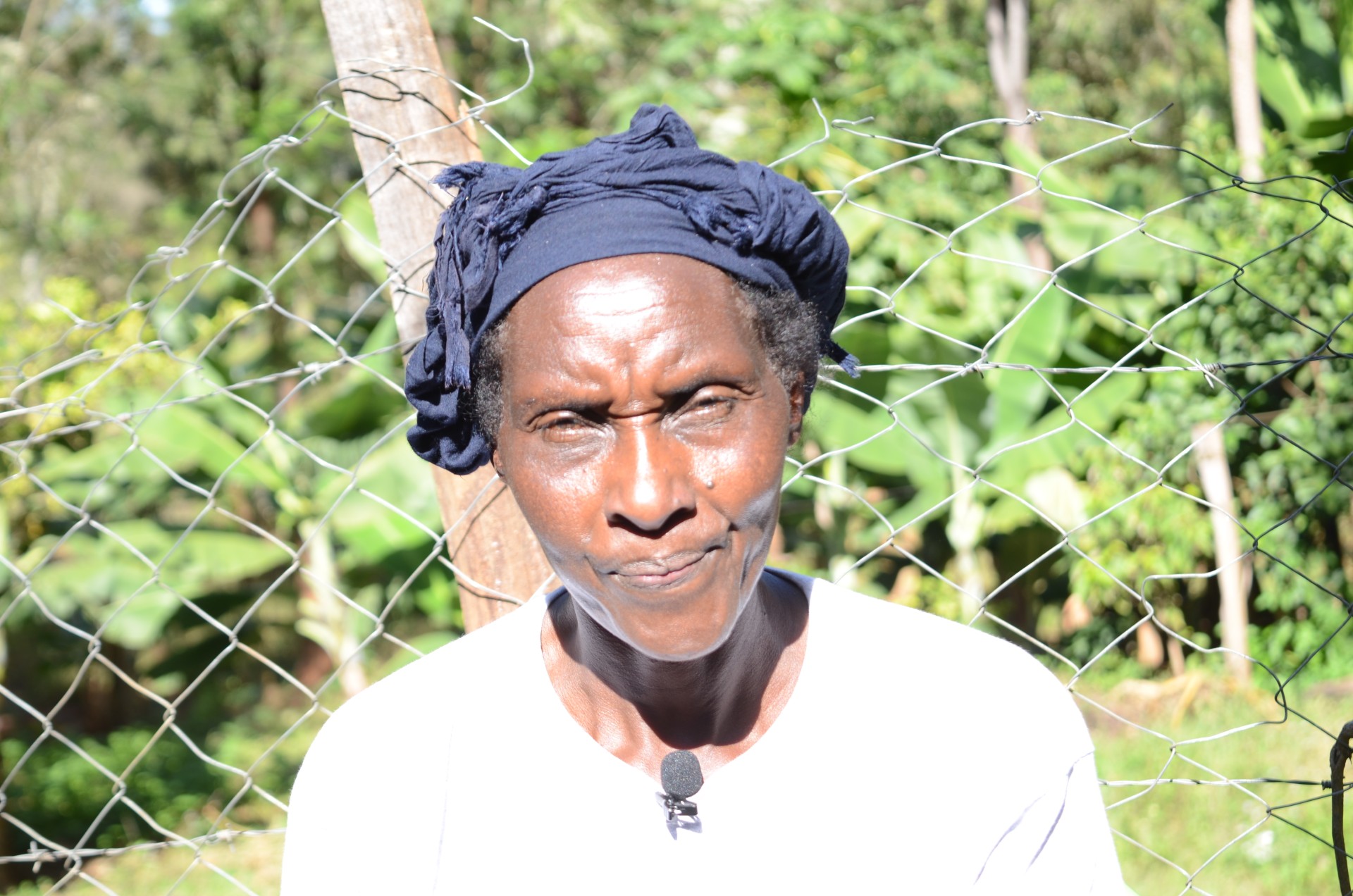
“For those who didn’t get the training from KFS, I want them to know these things are easy and affordable. If you just get the manure, the crops will come.”
She emphasizes sustainability: “We should go to the farm because it is sustainable. Trees help protect the soil, clean the air, and bring rains closer to home.”
Stephen Kimosop, a farmer from Kamaech village, links conservation directly to livelihood.
“We continue with hive activities,” he said, stressing that forest conservation is now tied to beekeeping.
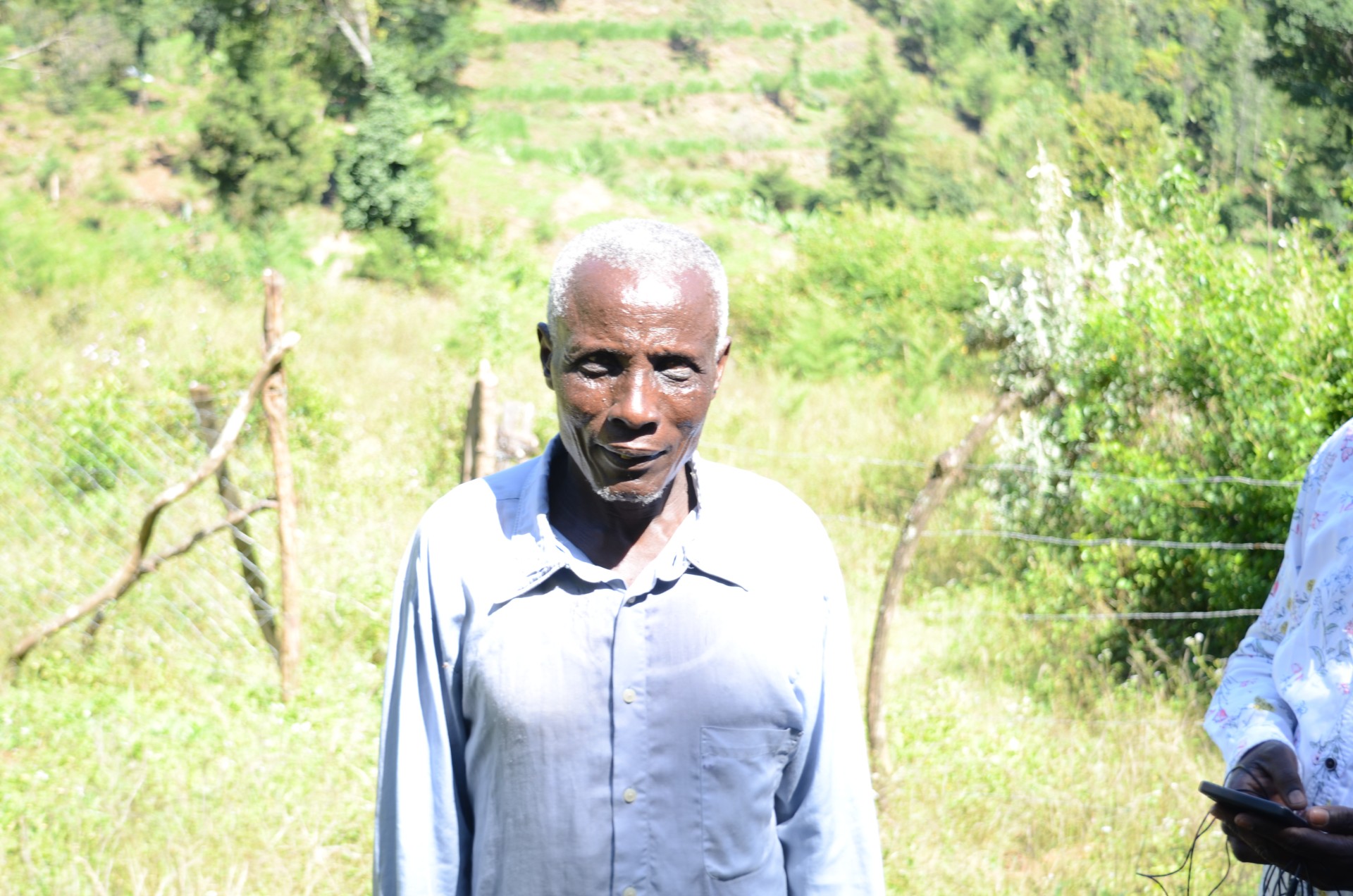
Thanks to training from Hand in Hand East Africa, farmers like Stephen manage hives and harvest honey safely—even during the day, once unheard of.
“We used to harvest honey only at night. These days, we even harvest during the day. If you have a hive anywhere, you now know how to do it—and you can teach someone else too.”
Stephen also celebrates sunflower farming.
“In the past, we didn’t know the importance of sunflower. Now we see the benefits—the bees give us honey from sunflower, and it also has edible oil. We used to stress over the high cost of cooking oil, but now we can get sunflower oil from our own farms.”
He concludes: “Without forests, we cannot get good livelihoods. We now understand their importance.”
What began as open‑air lessons under the Shule Bila Ukuta model has grown into a movement rooted in knowledge, resilience, and shared purpose.
In Sesya and across the Morop Tarambas Conservancy, farmers are not just adapting to climate change; they are leading the way in restoring biodiversity, reclaiming degraded land, and redefining sustainable living.
From sunflower fields buzzing with bees to women harvesting honey in broad daylight, the transformation is visible, tangible, and deeply inspiring.
As the climate continues to shift, these communities remind us that the most powerful solutions often begin at the grassroots—with people who choose to be the change before the change chooses them.
According to the State of Conservancies for 2024, Kenya has lost nearly 70 percent of its wildlife over the past thirty years. Ecosystems and biodiversity continue to decline. Conservancies remain at the forefront, advocating for preservation and safeguarding the vital link between environment and livelihoods.
According to the Kenya Poverty Report (2022), the county’s poverty rate stands at 41.2 percent—higher than the national average of 39.8 percent. Literacy rates remain low, with many communities struggling below 16–20 percent, even as Kenya’s national literacy climbs to 82 percent.
And the scars of domestic and gender‑based violence weigh heavily, with 64 percent of residents reporting some form of GBV—the highest prevalence in the country.
Yet, in Sesya and across the Morop Tarambas Conservancy, the lessons of Shule Bila Ukuta are beginning to shift these realities.
Farmers trained under the Kenya Forest Service model now diversify their income through sunflower oil production, beekeeping, and eco‑tourism. These ventures reduce dependence on costly imports and create local jobs.
Women and youth, once excluded from economic opportunities, now lead cooperatives and savings groups. By turning knowledge into enterprise, families begin to break free from poverty.
The open‑air classrooms of Shule Bila Ukuta do more than teach farming—they nurture a culture of learning. Farmers experiment, record results, and share findings with neighbors.
This peer‑to‑peer approach spreads practical knowledge in communities where formal literacy remains low. Children watch their parents learn, and curiosity grows. In villages where literacy rates lag, the field school becomes a bridge—making education visible, accessible, and relevant.
Hand in Hand East Africa, working alongside KFS, empowers women to step into roles once dominated by men.
Women now manage hives, harvest honey in daylight, and lead sunflower cooperatives. These shifts challenge entrenched gender norms and create safer spaces for women to thrive. As women gain economic independence and community respect, cycles of violence begin to weaken. Empowerment becomes both a shield and a voice.
Loise Ngetich, explains:
“I will teach my neighbours so they can also gain knowledge. Farming is opportunity, and trees bring rains closer to home.”
Stephen Kimosop from Kamaech adds:
“Without forests, we cannot get good livelihoods. Bees, sunflowers, and trees connect us to survival.”
Their words echo a wider truth: resilience is not only about crops—it is about dignity, education, and equality.
What began as lessons under trees has grown into a movement. Farmers become teachers. Women become leaders. Communities become classrooms. In a county marked by poverty, illiteracy, and violence, Shule Bila Ukuta offers more than agricultural skills—it offers hope, agency, and a path toward justice.
Follow us on TikTok for real-time updates, community voices, and stories that matter.

-1768983522.png)